
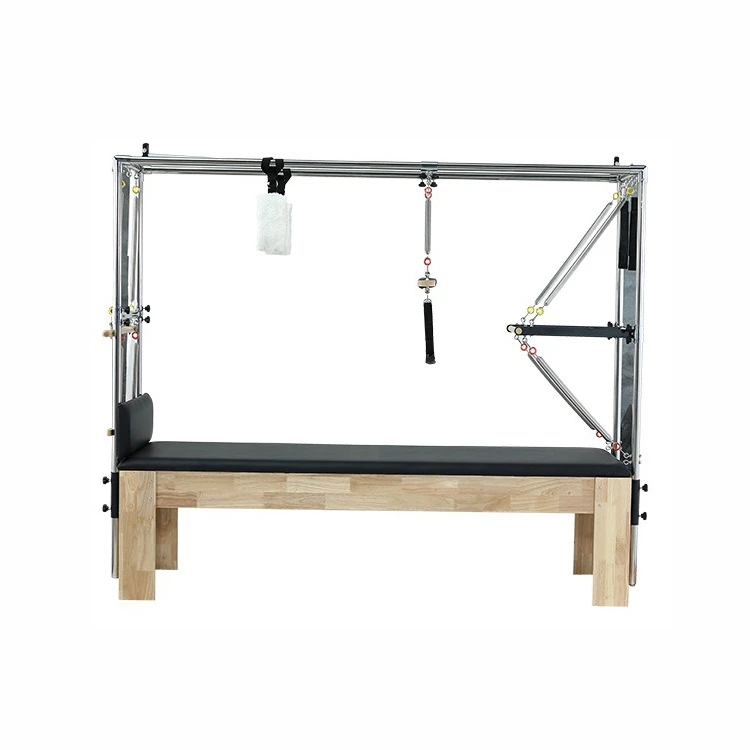
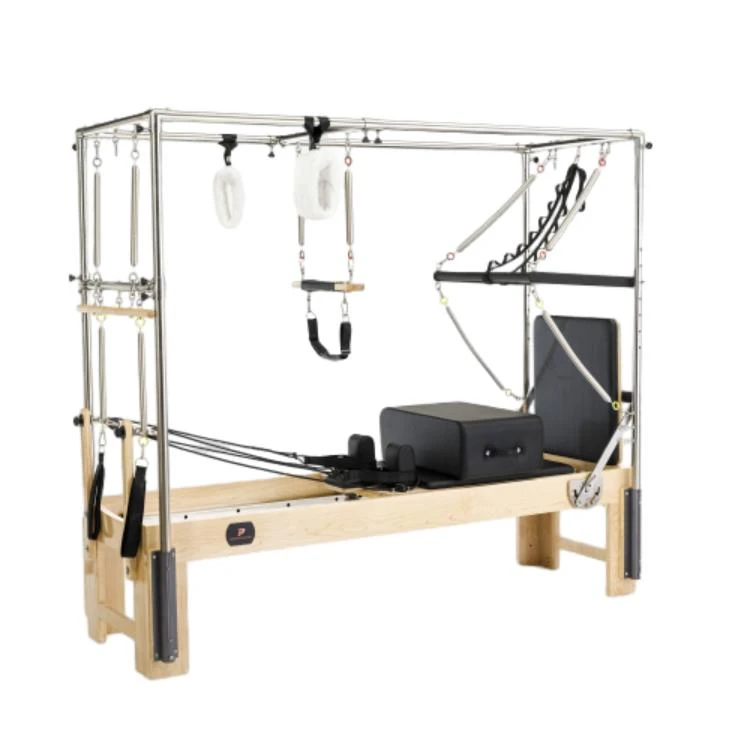
Pilates Chair: Compact & Versatile for Home & Studio Workouts
The Evolution and Strategic Importance of the pilates chair in Modern Wellness Infrastructure
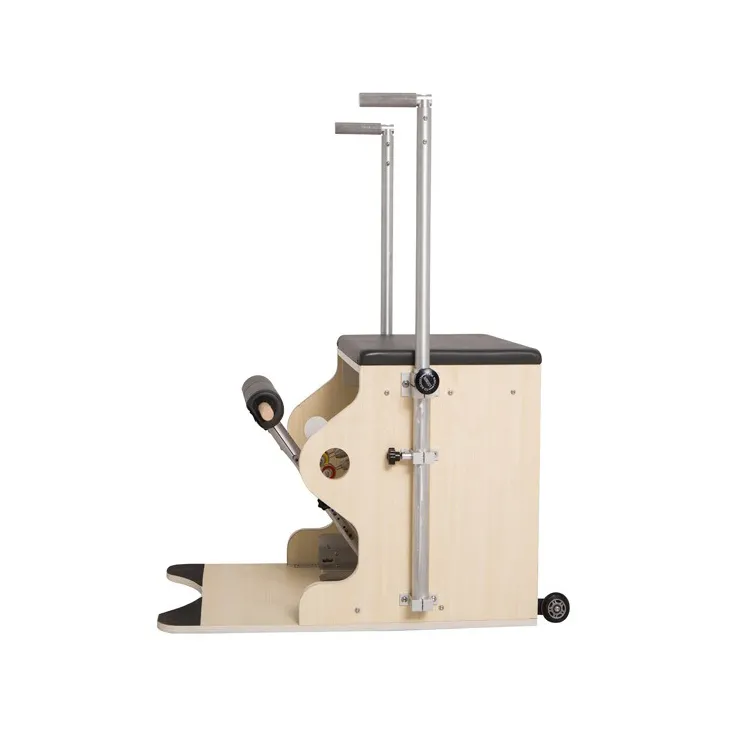
The fitness and rehabilitation equipment sector is undergoing significant transformation, driven by advancements in biomechanics, materials science, and digital integration. Within this dynamic landscape, the pilates chair has emerged as a cornerstone apparatus, recognized for its versatility, compact footprint, and profound impact on core strength, balance, and proprioception. Originating from Joseph Pilates’ original Wunda Chair, modern iterations, including the sophisticated pilates combo chair, are engineered to cater to an expansive range of users, from elite athletes seeking performance enhancement to individuals undergoing post-rehabilitative therapy.
Industry analysis reveals a steady upward trajectory in demand for specialized Pilates equipment. Market intelligence reports indicate that the global Pilates equipment market is projected to reach approximately $3.5 billion by 2028, exhibiting a Compound Annual Growth Rate (CAGR) of around 6.5%. This growth is fueled by increasing health consciousness, an aging population seeking low-impact exercise solutions, and the professionalization of fitness studios and clinical practices. For B2B stakeholders—including wellness facility developers, physical therapy clinics, educational institutions, and corporate wellness programs—investing in high-quality, durable, and ergonomically superior pilates chair units is not merely an equipment acquisition; it's a strategic investment in client retention, service diversification, and operational excellence.
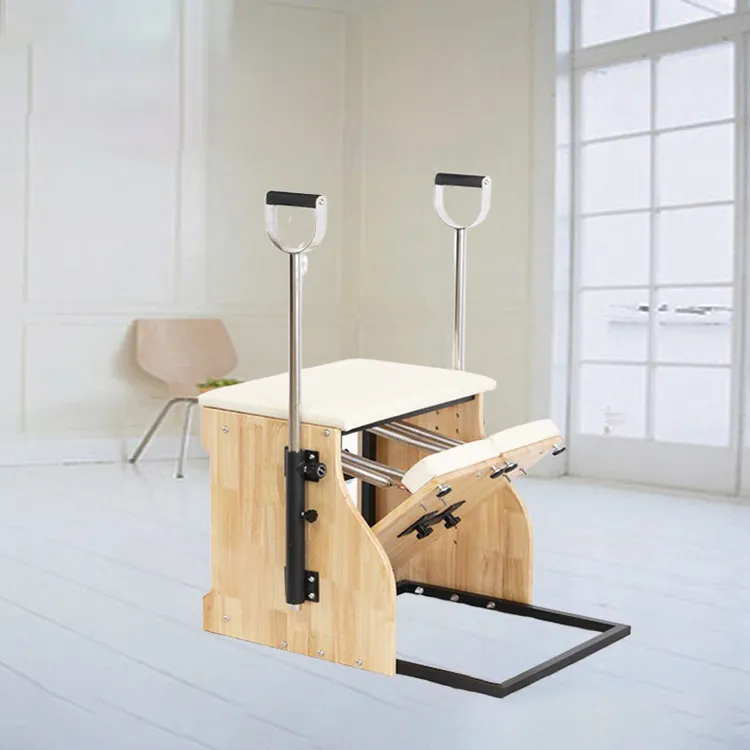
The robust engineering behind contemporary Pilates chairs is a testament to rigorous design principles aimed at optimizing functionality and user safety. Manufacturers are leveraging advanced materials such as aerospace-grade aluminum, sustainable hardwoods, and high-density foam upholstery to construct equipment that withstands intensive daily use while providing optimal comfort and support. The mechanical precision of spring systems, pedal mechanisms, and adjustable components ensures seamless transitions between exercises and accommodates diverse body types and fitness levels. Furthermore, the integration of smart technology, such as digital resistance feedback and data tracking, is beginning to enhance the user experience and provide valuable metrics for instructors and therapists, marking a significant trend in the sector.
Detailed Manufacturing Process of a Premium Pilates Chair
The production of a high-quality pilates chair involves a meticulous multi-stage process, integrating precision engineering with skilled craftsmanship to ensure durability, functionality, and aesthetic appeal. This systematic approach adheres to stringent quality control protocols, mirroring the rigorous standards seen in industries like medical device manufacturing.
Process Flow Overview:
- Design and Engineering: Initial conceptualization, 3D modeling (CAD), finite element analysis (FEA) for structural integrity, and ergonomic design optimization.
- Material Selection and Sourcing: Procurement of certified raw materials.
- Frame Fabrication (Steel/Aluminum): Cutting, bending, welding, and finishing of metal components.
- Woodworking (If applicable): Precision cutting, shaping, sanding, and finishing of hardwood components.
- Component Machining: CNC machining for precision parts like pedal mechanisms, spring anchor points, and adjustment systems.
- Surface Treatment: Powder coating for metal frames, clear coating/varnishing for wood components to ensure corrosion resistance and aesthetic finish.
- Upholstery Production: Cutting, sewing, and applying high-density foam and medical-grade vinyl.
- Assembly: Integration of all fabricated components, springs, and moving parts.
- Quality Assurance & Testing: Comprehensive functional, load-bearing, and safety tests.
- Packaging and Distribution: Secure packaging for shipment.
Key Stages and Technical Details:
- Materials Specification:
- Frame: High-grade steel (e.g., 304 stainless steel or powder-coated carbon steel) or aircraft-grade aluminum alloy (e.g., 6061-T6) for optimal strength-to-weight ratio and corrosion resistance.
- Wood Components (e.g., handles, base): Sustainable hardwoods such as maple or oak, known for their density, stability, and aesthetic appeal.
- Springs: Nickel-plated carbon steel or stainless steel springs, calibrated for consistent resistance and extended service life, often tested for over 100,000 cycles.
- Upholstery: High-density EVA foam or proprietary cushioning material covered with commercial-grade, anti-microbial, easy-to-clean vinyl (e.g., Marine-grade vinyl for durability).
- Hardware: Stainless steel fasteners, bearings, and adjustment mechanisms for smooth operation and longevity.
- Manufacturing Processes:
- CNC Machining: Critical for producing intricate parts like pedal assemblies and adjustment mechanisms with micron-level precision, ensuring smooth movement and reducing wear.
- TIG/MIG Welding: Used for metal frame fabrication, ensuring strong, clean, and durable joints. Weld integrity is verified through non-destructive testing (NDT) like ultrasonic or X-ray inspection.
- Powder Coating: Applied to metal frames for superior scratch resistance, UV protection, and uniform finish, significantly extending the product's aesthetic and functional life.
- Precision Woodworking: Utilizes multi-axis CNC routers for precise cuts and joinery, followed by hand-finishing for smooth surfaces and optimal integration.
- Testing Standards and Certifications:
- ISO 9001:2015 Certification: Ensures a robust quality management system across all manufacturing stages.
- ASTM F2276-10 (Standard Specification for Fitness Equipment): Adherence to safety and performance standards.
- ANSI/BIFMA X5.1 (General-Purpose Office Chairs - Tests): While not direct, principles for structural integrity and cycle testing are adapted for robust fitness equipment.
- CE Marking: For products sold in the European Economic Area, signifying compliance with health, safety, and environmental protection standards.
- Load Testing: Each pilates chair is tested for static and dynamic load capacities, typically exceeding 300 lbs (136 kg) for sustained use, ensuring structural integrity under various exercise conditions.
- Service Life and Target Industries: A well-manufactured pilates chair is designed for a service life exceeding 10-15 years under typical commercial use, requiring minimal maintenance.
- Target Industries: Boutique Pilates Studios, Physical Therapy & Rehabilitation Clinics, Luxury Gyms & Fitness Centers, Educational Institutions (Kinesiology/Sports Science programs), Corporate Wellness Centers, High-End Residential Fitness Installations.
- Advantages in Typical Application Scenarios:
- Durability & Reliability: Reduced downtime and lower total cost of ownership (TCO) for commercial facilities due to robust construction.
- Precision & Performance: Consistent resistance from calibrated springs and smooth operation of moving parts enhance exercise efficacy and safety.
- Ergonomic Design: Supports a wide range of body types and movements, crucial for both fitness and rehabilitation, preventing user injury and maximizing therapeutic outcomes.
- Space Efficiency: The compact nature of the pilates chair allows for high-density placement in studios, optimizing revenue per square foot.
Technical Specifications and Parameters of Advanced Pilates Chairs
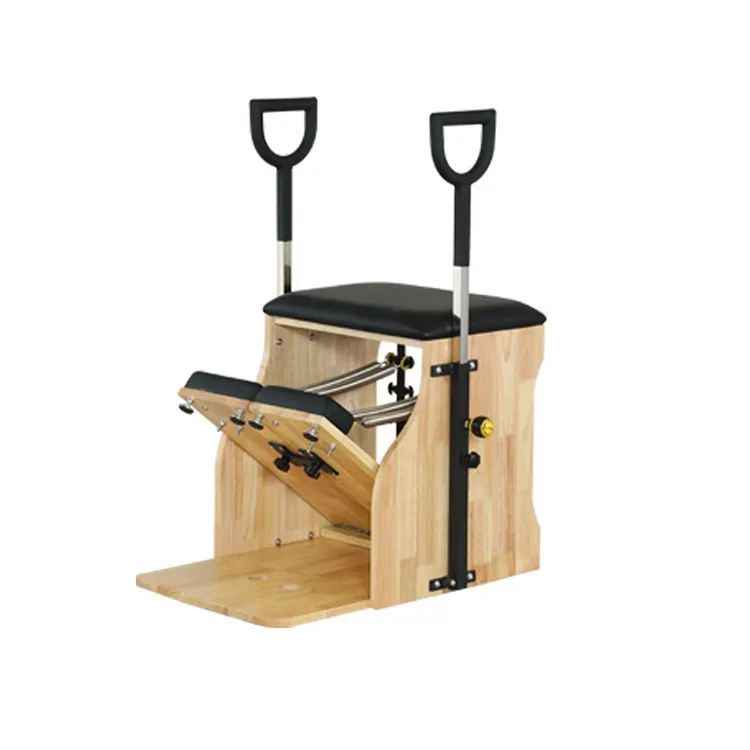
Understanding the precise technical specifications is paramount for B2B purchasers to ensure alignment with operational requirements and client needs. High-performance pilates chair units are characterized by their adjustability, robust construction, and ergonomic design, all contributing to superior user experience and equipment longevity. The following table outlines typical parameters for a professional-grade pilates chair, providing a benchmark for quality and performance.
Product Specification Table: Reliable Universal Pilates Chair
The design of the pilates chair emphasizes modularity and precise calibration. For instance, the spring tension system is often calibrated in Newton-meters (Nm) to provide quantifiable resistance, allowing instructors and therapists to accurately progress or regress exercises. Adjustable pedal heights and split-pedal mechanisms offer advanced programming options, enabling unilateral movements and targeted muscle activation, crucial for sports-specific training and corrective exercises. These technical nuances underscore the engineering sophistication required to meet the diverse demands of a professional fitness or rehabilitation environment.
Application Scenarios and Technical Advantages
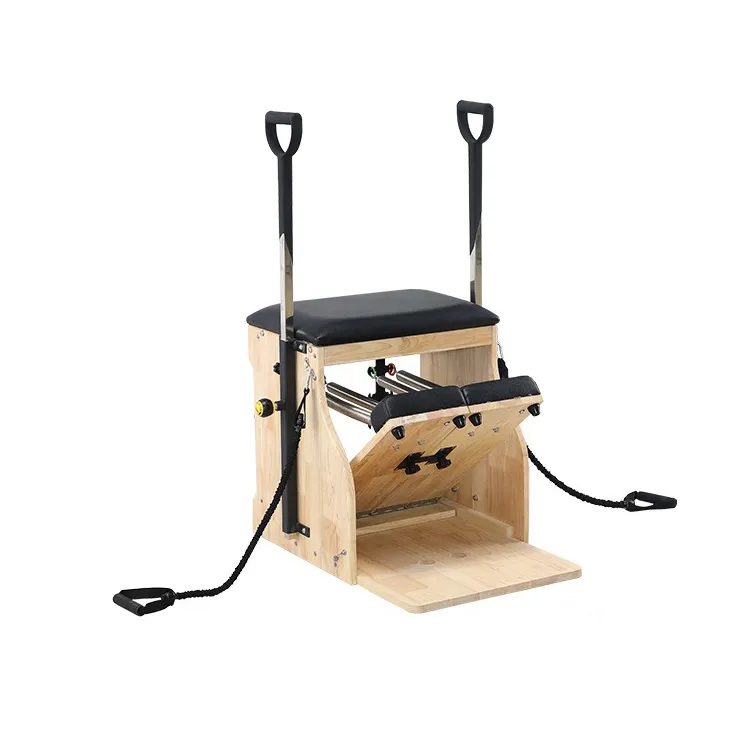
The utility of the pilates chair extends across a myriad of professional environments, offering distinct technical advantages that justify its integration into B2B operations.
Typical Application Scenarios:
- Pilates Studios & Fitness Centers: Core apparatus for group classes and private sessions, maximizing space utilization due to its compact design. It enables a diverse range of exercises focusing on core stability, leg strength, and upper body conditioning.
- Physical Therapy & Rehabilitation Clinics: Invaluable for post-injury recovery, gait retraining, balance improvement, and strengthening specific muscle groups without excessive load on joints. The adjustable resistance allows for progressive rehabilitation.
- Professional Sports Training Facilities: Used by athletic trainers for enhancing an athlete’s power, flexibility, and injury prevention through targeted functional movements. It's particularly effective for improving hip stability and explosive leg strength.
- Corporate Wellness Programs: Provides a versatile solution for employee fitness, offering low-impact workouts that can address common issues like desk-related postural imbalances.
- Hospitality (Luxury Hotels & Resorts): Outfitting private fitness suites or dedicated wellness areas, offering a premium experience to discerning guests.
Technical Advantages:
- Versatility and Exercise Range: The multi-positional pedal system and interchangeable springs allow for hundreds of exercises. From seated abdominal work to standing balance challenges and inversions, the chair offers a full-body workout.
- Compact Footprint: Occupies significantly less space than a Reformer or Cadillac, making it ideal for facilities with limited square footage. This efficiency allows for a higher instructor-to-client ratio in group settings.
- Targeted Muscle Activation: The unique leverage and resistance mechanics of the pilates chair enable precise targeting of deep stabilizing muscles, particularly in the core, hips, and shoulders, which are often neglected by conventional strength training.
- Adjustable Resistance and Support: Springs offer progressive resistance, accommodating users from beginners to advanced, and from frail patients to robust athletes. This adaptability is crucial for personalized training and therapeutic interventions.
- Enhanced Proprioception and Balance: Exercises on the moving pedal challenge balance and proprioception, making it an excellent tool for neurological rehabilitation and athletic conditioning.
- Durability and Low Maintenance: Constructed from commercial-grade materials, these chairs are built to withstand heavy daily use, minimizing maintenance requirements and extending asset lifespan, thus reducing total cost of ownership (TCO) for businesses.
Vendor Comparison: Evaluating Pilates Chair Suppliers
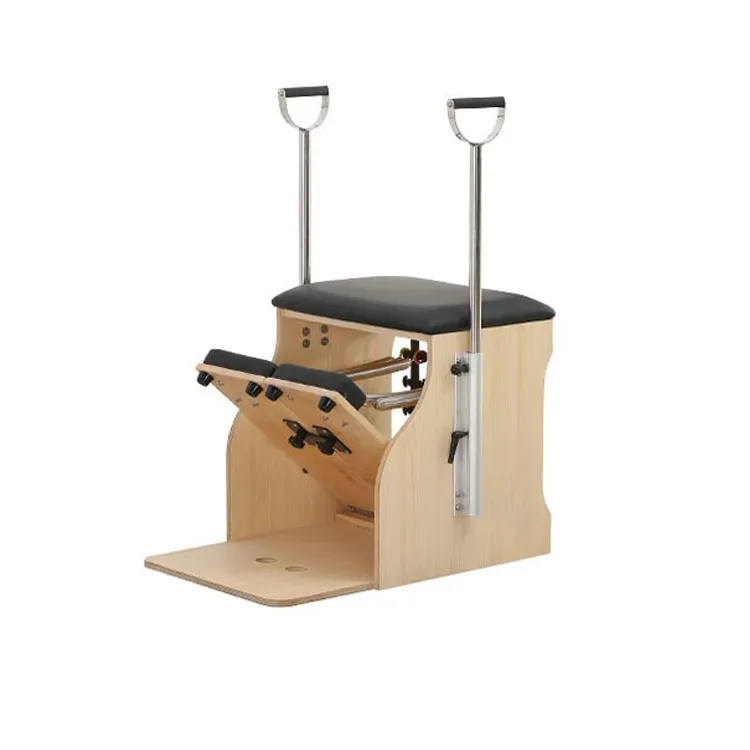
Selecting the right supplier for a pilates chair is a critical decision for B2B entities, impacting equipment quality, long-term support, and ultimately, client satisfaction. Beyond initial cost, factors such as material quality, manufacturing precision, warranty terms, and after-sales service must be rigorously evaluated. Below is a comparative analysis table illustrating key differentiation points among leading providers and how a "Reliable Universal Pilates Chair Supplier" typically positions itself.
Pilates Chair Vendor Comparison
A "Reliable Universal Supplier" aims to strike an optimal balance between premium quality and cost-effectiveness. By leveraging efficient manufacturing processes and a commitment to certified materials, they can deliver a pilates chair that rivals top-tier brands in performance and durability but at a more accessible price point. This makes them an attractive partner for businesses seeking to equip multiple facilities or expand their service offerings without compromising on quality or incurring prohibitive capital expenditure.
Customized Solutions and Application Case Studies
Customized Solutions: Tailoring the Pilates Chair to Specific Needs
Understanding that diverse B2B clients have unique operational and branding requirements, leading suppliers offer extensive customization options for the pilates chair. This bespoke approach ensures that the equipment integrates seamlessly into existing infrastructure and brand aesthetics, while also meeting specialized functional demands.
- Upholstery Customization: Clients can select from a wide palette of medical-grade vinyl colors to match their brand identity or interior design. Options for custom stitching patterns or embossed logos are also available.
- Frame Finish Options: Beyond standard powder-coated black or white, specialized finishes such as matte, metallic, or custom RAL colors can be applied to metal frames. For hardwood frames, various stain and lacquer options are offered.
- Accessory Integration: Custom solutions may include integrated resistance band anchor points, specialized handle designs for specific therapeutic applications, or bespoke wheel systems for enhanced mobility within a facility.
- Dimension Modifications: While standard dimensions serve most, suppliers can offer slight modifications to height or width for facilities catering to exceptionally tall or short clientele, or for unique space constraints.
- Spring Configuration: Custom spring sets with specific tension values can be provided for clinics focusing on particular rehabilitation protocols or studios catering to advanced athletic training.
Application Case Studies: Real-World Impact
Case Study 1: Elite Sports Performance Center Integration
An elite athletic training facility, specializing in professional basketball players, sought to enhance their off-season conditioning and injury prevention programs. They commissioned a custom order of 10 pilates chair units, specifically requesting reinforced frames to accommodate higher dynamic loads and a custom spring configuration designed for explosive power training and proprioceptive drills. The chairs were finished in the team's colors with their logo embossed on the upholstery. Post-implementation, the facility reported a 15% reduction in lower body soft tissue injuries during the subsequent season and a significant improvement in players' core stability metrics, as measured by force plate analysis and functional movement screening.
Case Study 2: Rehabilitation Clinic for Neurological Disorders
A leading neurological rehabilitation clinic integrated 5 specially modified pilates combo chair units into their therapy regimen for patients recovering from strokes and spinal cord injuries. The modifications included lower step-in height, extended handle supports for greater stability, and lighter-tension springs to facilitate early-stage mobility exercises. The clinic observed a notable acceleration in patients' progress in regaining balance, motor control, and functional strength compared to traditional therapy methods. Patient feedback highlighted the equipment's accessibility and the confidence it instilled during their recovery journey, leading to improved adherence to therapy protocols.
Case Study 3: Boutique Pilates Studio Expansion
A rapidly expanding chain of boutique Pilates studios required a scalable solution for equipping new locations while maintaining a consistent brand aesthetic. They partnered with a universal supplier for bulk orders of standard and pilates combo chair models, utilizing custom upholstery colors and branded accent elements. The supplier's ability to deliver large volumes within strict lead times and provide consistent product quality across all units was crucial. This partnership enabled the studio chain to rapidly launch new locations with minimal operational overhead for equipment procurement, contributing to a 20% increase in their market footprint over 18 months.
Trustworthiness & Support: FAQs, Lead Times, Warranty, and Customer Service
Establishing trust and providing comprehensive support are cornerstones of B2B relationships. A reputable supplier of pilates chair equipment differentiates itself through transparency in operations, robust warranty commitments, and responsive customer service.
Frequently Asked Questions (FAQs):
- Q: What is the estimated service life of your Pilates Chairs?
A: Our chairs are engineered for commercial-grade use with an estimated service life of 10-15 years under proper maintenance, given the robust materials and construction techniques. - Q: Are your Pilates Chairs suitable for medical rehabilitation settings?
A: Yes, our chairs are designed with adjustable features and stable construction making them highly suitable for physical therapy and rehabilitation clinics, aiding in safe and progressive recovery. - Q: Can I customize the upholstery color to match my brand?
A: Absolutely. We offer a wide range of custom upholstery colors and can often accommodate specific brand requirements, including logo embossing for bulk orders. - Q: What maintenance is required for the Pilates Chair?
A: Minimal. Regular cleaning of upholstery and frame, and periodic inspection of springs and moving parts for wear. Detailed maintenance guidelines are provided with each purchase. - Q: Do you offer installation services?
A: Our pilates chair units are designed for straightforward assembly. We provide comprehensive instruction manuals and video guides. For large orders, on-site assembly support can be arranged upon request.
Lead Time and Fulfillment Details:
Standard lead times for our pilates chair models typically range from 4-6 weeks for order processing, manufacturing, and quality control, followed by transit time. For customized or large-volume orders, a detailed production schedule will be provided, generally ranging from 8-12 weeks. We utilize established logistics partners to ensure efficient and reliable global shipping, with real-time tracking capabilities provided to clients. Expedited manufacturing and shipping options are available upon request and subject to additional charges.
Warranty Commitments:
We stand behind the quality and durability of our products with a robust warranty program:
- Structural Frame: 10-year limited warranty against manufacturing defects.
- Moving Parts (Springs, Bearings, Pedals): 2-year limited warranty.
- Upholstery and Handles: 1-year limited warranty against defects in material and workmanship.
Our warranty policy is designed to provide B2B partners with confidence in their investment, reflecting our commitment to product excellence and long-term customer satisfaction. Full warranty terms and conditions are available upon request.
Customer Support Information:
Our dedicated B2B customer support team is available to assist with all inquiries, from pre-sales consultations and order placement to post-delivery support and technical assistance. We offer:
- Dedicated Account Managers: For personalized service and streamlined communication.
- Technical Support Hotline/Email: For prompt resolution of any operational or maintenance questions.
- Online Resource Center: Access to product manuals, assembly guides, maintenance tips, and FAQs.
- Parts Replacement Service: Efficient sourcing and shipping of replacement components to minimize downtime.
We are committed to fostering long-term partnerships through exceptional product quality and unwavering customer support. For direct inquiries, please visit our website or contact our B2B sales department.
Authoritative References
- Pilates Method Alliance. "PMA Certification Program." pilatesmethodalliance.org
- World Health Organization. "Physical activity." who.int
- ASTM International. "Standards for Sports Equipment." astm.org
- National Institutes of Health (NIH). "Exercise and Physical Activity." nih.gov
- ISO (International Organization for Standardization). "ISO 9001 - Quality management." iso.org
Latest news
-
Professional Pilates Cadillac Reformer for Sale and Buyer GuideNewsApr.16,2026
-
Professional Guide to Finding the Best Pilates Cadillac for SaleNewsApr.09,2026
-
Find the Perfect Cadillac Reformer Combo for Sale and Elevate Your Pilates PracticeNewsApr.07,2026
-
Choosing the Ideal Wooden Pilates Reformer Machine for Your Fitness JourneyNewsApr.04,2026
-
Choosing the Right Wooden Pilates Equipment for Studio and Home UseNewsMar.31,2026
-
Understanding the Versatility and Benefits of the Wood Reformer for PilatesNewsMar.28,2026
Pilates Chair: Compact & Versatile for Home & Studio Workouts
The Evolution and Strategic Importance of the pilates chair in Modern Wellness Infrastructure
The fitness and rehabilitation equipment sector is undergoing significant transformation, driven by advancements in biomechanics, materials science, and digital integration. Within this dynamic landscape, the pilates chair has emerged as a cornerstone apparatus, recognized for its versatility, compact footprint, and profound impact on core strength, balance, and proprioception. Originating from Joseph Pilates’ original Wunda Chair, modern iterations, including the sophisticated pilates combo chair, are engineered to cater to an expansive range of users, from elite athletes seeking performance enhancement to individuals undergoing post-rehabilitative therapy.
Industry analysis reveals a steady upward trajectory in demand for specialized Pilates equipment. Market intelligence reports indicate that the global Pilates equipment market is projected to reach approximately $3.5 billion by 2028, exhibiting a Compound Annual Growth Rate (CAGR) of around 6.5%. This growth is fueled by increasing health consciousness, an aging population seeking low-impact exercise solutions, and the professionalization of fitness studios and clinical practices. For B2B stakeholders—including wellness facility developers, physical therapy clinics, educational institutions, and corporate wellness programs—investing in high-quality, durable, and ergonomically superior pilates chair units is not merely an equipment acquisition; it's a strategic investment in client retention, service diversification, and operational excellence.
The robust engineering behind contemporary Pilates chairs is a testament to rigorous design principles aimed at optimizing functionality and user safety. Manufacturers are leveraging advanced materials such as aerospace-grade aluminum, sustainable hardwoods, and high-density foam upholstery to construct equipment that withstands intensive daily use while providing optimal comfort and support. The mechanical precision of spring systems, pedal mechanisms, and adjustable components ensures seamless transitions between exercises and accommodates diverse body types and fitness levels. Furthermore, the integration of smart technology, such as digital resistance feedback and data tracking, is beginning to enhance the user experience and provide valuable metrics for instructors and therapists, marking a significant trend in the sector.
Detailed Manufacturing Process of a Premium Pilates Chair
The production of a high-quality pilates chair involves a meticulous multi-stage process, integrating precision engineering with skilled craftsmanship to ensure durability, functionality, and aesthetic appeal. This systematic approach adheres to stringent quality control protocols, mirroring the rigorous standards seen in industries like medical device manufacturing.
Process Flow Overview:
- Design and Engineering: Initial conceptualization, 3D modeling (CAD), finite element analysis (FEA) for structural integrity, and ergonomic design optimization.
- Material Selection and Sourcing: Procurement of certified raw materials.
- Frame Fabrication (Steel/Aluminum): Cutting, bending, welding, and finishing of metal components.
- Woodworking (If applicable): Precision cutting, shaping, sanding, and finishing of hardwood components.
- Component Machining: CNC machining for precision parts like pedal mechanisms, spring anchor points, and adjustment systems.
- Surface Treatment: Powder coating for metal frames, clear coating/varnishing for wood components to ensure corrosion resistance and aesthetic finish.
- Upholstery Production: Cutting, sewing, and applying high-density foam and medical-grade vinyl.
- Assembly: Integration of all fabricated components, springs, and moving parts.
- Quality Assurance & Testing: Comprehensive functional, load-bearing, and safety tests.
- Packaging and Distribution: Secure packaging for shipment.
Key Stages and Technical Details:
- Materials Specification:
- Frame: High-grade steel (e.g., 304 stainless steel or powder-coated carbon steel) or aircraft-grade aluminum alloy (e.g., 6061-T6) for optimal strength-to-weight ratio and corrosion resistance.
- Wood Components (e.g., handles, base): Sustainable hardwoods such as maple or oak, known for their density, stability, and aesthetic appeal.
- Springs: Nickel-plated carbon steel or stainless steel springs, calibrated for consistent resistance and extended service life, often tested for over 100,000 cycles.
- Upholstery: High-density EVA foam or proprietary cushioning material covered with commercial-grade, anti-microbial, easy-to-clean vinyl (e.g., Marine-grade vinyl for durability).
- Hardware: Stainless steel fasteners, bearings, and adjustment mechanisms for smooth operation and longevity.
- Manufacturing Processes:
- CNC Machining: Critical for producing intricate parts like pedal assemblies and adjustment mechanisms with micron-level precision, ensuring smooth movement and reducing wear.
- TIG/MIG Welding: Used for metal frame fabrication, ensuring strong, clean, and durable joints. Weld integrity is verified through non-destructive testing (NDT) like ultrasonic or X-ray inspection.
- Powder Coating: Applied to metal frames for superior scratch resistance, UV protection, and uniform finish, significantly extending the product's aesthetic and functional life.
- Precision Woodworking: Utilizes multi-axis CNC routers for precise cuts and joinery, followed by hand-finishing for smooth surfaces and optimal integration.
- Testing Standards and Certifications:
- ISO 9001:2015 Certification: Ensures a robust quality management system across all manufacturing stages.
- ASTM F2276-10 (Standard Specification for Fitness Equipment): Adherence to safety and performance standards.
- ANSI/BIFMA X5.1 (General-Purpose Office Chairs - Tests): While not direct, principles for structural integrity and cycle testing are adapted for robust fitness equipment.
- CE Marking: For products sold in the European Economic Area, signifying compliance with health, safety, and environmental protection standards.
- Load Testing: Each pilates chair is tested for static and dynamic load capacities, typically exceeding 300 lbs (136 kg) for sustained use, ensuring structural integrity under various exercise conditions.
- Service Life and Target Industries: A well-manufactured pilates chair is designed for a service life exceeding 10-15 years under typical commercial use, requiring minimal maintenance.
- Target Industries: Boutique Pilates Studios, Physical Therapy & Rehabilitation Clinics, Luxury Gyms & Fitness Centers, Educational Institutions (Kinesiology/Sports Science programs), Corporate Wellness Centers, High-End Residential Fitness Installations.
- Advantages in Typical Application Scenarios:
- Durability & Reliability: Reduced downtime and lower total cost of ownership (TCO) for commercial facilities due to robust construction.
- Precision & Performance: Consistent resistance from calibrated springs and smooth operation of moving parts enhance exercise efficacy and safety.
- Ergonomic Design: Supports a wide range of body types and movements, crucial for both fitness and rehabilitation, preventing user injury and maximizing therapeutic outcomes.
- Space Efficiency: The compact nature of the pilates chair allows for high-density placement in studios, optimizing revenue per square foot.
Technical Specifications and Parameters of Advanced Pilates Chairs
Understanding the precise technical specifications is paramount for B2B purchasers to ensure alignment with operational requirements and client needs. High-performance pilates chair units are characterized by their adjustability, robust construction, and ergonomic design, all contributing to superior user experience and equipment longevity. The following table outlines typical parameters for a professional-grade pilates chair, providing a benchmark for quality and performance.
Product Specification Table: Reliable Universal Pilates Chair
The design of the pilates chair emphasizes modularity and precise calibration. For instance, the spring tension system is often calibrated in Newton-meters (Nm) to provide quantifiable resistance, allowing instructors and therapists to accurately progress or regress exercises. Adjustable pedal heights and split-pedal mechanisms offer advanced programming options, enabling unilateral movements and targeted muscle activation, crucial for sports-specific training and corrective exercises. These technical nuances underscore the engineering sophistication required to meet the diverse demands of a professional fitness or rehabilitation environment.
Application Scenarios and Technical Advantages
The utility of the pilates chair extends across a myriad of professional environments, offering distinct technical advantages that justify its integration into B2B operations.
Typical Application Scenarios:
- Pilates Studios & Fitness Centers: Core apparatus for group classes and private sessions, maximizing space utilization due to its compact design. It enables a diverse range of exercises focusing on core stability, leg strength, and upper body conditioning.
- Physical Therapy & Rehabilitation Clinics: Invaluable for post-injury recovery, gait retraining, balance improvement, and strengthening specific muscle groups without excessive load on joints. The adjustable resistance allows for progressive rehabilitation.
- Professional Sports Training Facilities: Used by athletic trainers for enhancing an athlete’s power, flexibility, and injury prevention through targeted functional movements. It's particularly effective for improving hip stability and explosive leg strength.
- Corporate Wellness Programs: Provides a versatile solution for employee fitness, offering low-impact workouts that can address common issues like desk-related postural imbalances.
- Hospitality (Luxury Hotels & Resorts): Outfitting private fitness suites or dedicated wellness areas, offering a premium experience to discerning guests.
Technical Advantages:
- Versatility and Exercise Range: The multi-positional pedal system and interchangeable springs allow for hundreds of exercises. From seated abdominal work to standing balance challenges and inversions, the chair offers a full-body workout.
- Compact Footprint: Occupies significantly less space than a Reformer or Cadillac, making it ideal for facilities with limited square footage. This efficiency allows for a higher instructor-to-client ratio in group settings.
- Targeted Muscle Activation: The unique leverage and resistance mechanics of the pilates chair enable precise targeting of deep stabilizing muscles, particularly in the core, hips, and shoulders, which are often neglected by conventional strength training.
- Adjustable Resistance and Support: Springs offer progressive resistance, accommodating users from beginners to advanced, and from frail patients to robust athletes. This adaptability is crucial for personalized training and therapeutic interventions.
- Enhanced Proprioception and Balance: Exercises on the moving pedal challenge balance and proprioception, making it an excellent tool for neurological rehabilitation and athletic conditioning.
- Durability and Low Maintenance: Constructed from commercial-grade materials, these chairs are built to withstand heavy daily use, minimizing maintenance requirements and extending asset lifespan, thus reducing total cost of ownership (TCO) for businesses.
Vendor Comparison: Evaluating Pilates Chair Suppliers
Selecting the right supplier for a pilates chair is a critical decision for B2B entities, impacting equipment quality, long-term support, and ultimately, client satisfaction. Beyond initial cost, factors such as material quality, manufacturing precision, warranty terms, and after-sales service must be rigorously evaluated. Below is a comparative analysis table illustrating key differentiation points among leading providers and how a "Reliable Universal Pilates Chair Supplier" typically positions itself.
Pilates Chair Vendor Comparison
A "Reliable Universal Supplier" aims to strike an optimal balance between premium quality and cost-effectiveness. By leveraging efficient manufacturing processes and a commitment to certified materials, they can deliver a pilates chair that rivals top-tier brands in performance and durability but at a more accessible price point. This makes them an attractive partner for businesses seeking to equip multiple facilities or expand their service offerings without compromising on quality or incurring prohibitive capital expenditure.
Customized Solutions and Application Case Studies
Customized Solutions: Tailoring the Pilates Chair to Specific Needs
Understanding that diverse B2B clients have unique operational and branding requirements, leading suppliers offer extensive customization options for the pilates chair. This bespoke approach ensures that the equipment integrates seamlessly into existing infrastructure and brand aesthetics, while also meeting specialized functional demands.
- Upholstery Customization: Clients can select from a wide palette of medical-grade vinyl colors to match their brand identity or interior design. Options for custom stitching patterns or embossed logos are also available.
- Frame Finish Options: Beyond standard powder-coated black or white, specialized finishes such as matte, metallic, or custom RAL colors can be applied to metal frames. For hardwood frames, various stain and lacquer options are offered.
- Accessory Integration: Custom solutions may include integrated resistance band anchor points, specialized handle designs for specific therapeutic applications, or bespoke wheel systems for enhanced mobility within a facility.
- Dimension Modifications: While standard dimensions serve most, suppliers can offer slight modifications to height or width for facilities catering to exceptionally tall or short clientele, or for unique space constraints.
- Spring Configuration: Custom spring sets with specific tension values can be provided for clinics focusing on particular rehabilitation protocols or studios catering to advanced athletic training.
Application Case Studies: Real-World Impact
Case Study 1: Elite Sports Performance Center Integration
An elite athletic training facility, specializing in professional basketball players, sought to enhance their off-season conditioning and injury prevention programs. They commissioned a custom order of 10 pilates chair units, specifically requesting reinforced frames to accommodate higher dynamic loads and a custom spring configuration designed for explosive power training and proprioceptive drills. The chairs were finished in the team's colors with their logo embossed on the upholstery. Post-implementation, the facility reported a 15% reduction in lower body soft tissue injuries during the subsequent season and a significant improvement in players' core stability metrics, as measured by force plate analysis and functional movement screening.
Case Study 2: Rehabilitation Clinic for Neurological Disorders
A leading neurological rehabilitation clinic integrated 5 specially modified pilates combo chair units into their therapy regimen for patients recovering from strokes and spinal cord injuries. The modifications included lower step-in height, extended handle supports for greater stability, and lighter-tension springs to facilitate early-stage mobility exercises. The clinic observed a notable acceleration in patients' progress in regaining balance, motor control, and functional strength compared to traditional therapy methods. Patient feedback highlighted the equipment's accessibility and the confidence it instilled during their recovery journey, leading to improved adherence to therapy protocols.
Case Study 3: Boutique Pilates Studio Expansion
A rapidly expanding chain of boutique Pilates studios required a scalable solution for equipping new locations while maintaining a consistent brand aesthetic. They partnered with a universal supplier for bulk orders of standard and pilates combo chair models, utilizing custom upholstery colors and branded accent elements. The supplier's ability to deliver large volumes within strict lead times and provide consistent product quality across all units was crucial. This partnership enabled the studio chain to rapidly launch new locations with minimal operational overhead for equipment procurement, contributing to a 20% increase in their market footprint over 18 months.
Trustworthiness & Support: FAQs, Lead Times, Warranty, and Customer Service
Establishing trust and providing comprehensive support are cornerstones of B2B relationships. A reputable supplier of pilates chair equipment differentiates itself through transparency in operations, robust warranty commitments, and responsive customer service.
Frequently Asked Questions (FAQs):
- Q: What is the estimated service life of your Pilates Chairs?
A: Our chairs are engineered for commercial-grade use with an estimated service life of 10-15 years under proper maintenance, given the robust materials and construction techniques. - Q: Are your Pilates Chairs suitable for medical rehabilitation settings?
A: Yes, our chairs are designed with adjustable features and stable construction making them highly suitable for physical therapy and rehabilitation clinics, aiding in safe and progressive recovery. - Q: Can I customize the upholstery color to match my brand?
A: Absolutely. We offer a wide range of custom upholstery colors and can often accommodate specific brand requirements, including logo embossing for bulk orders. - Q: What maintenance is required for the Pilates Chair?
A: Minimal. Regular cleaning of upholstery and frame, and periodic inspection of springs and moving parts for wear. Detailed maintenance guidelines are provided with each purchase. - Q: Do you offer installation services?
A: Our pilates chair units are designed for straightforward assembly. We provide comprehensive instruction manuals and video guides. For large orders, on-site assembly support can be arranged upon request.
Lead Time and Fulfillment Details:
Standard lead times for our pilates chair models typically range from 4-6 weeks for order processing, manufacturing, and quality control, followed by transit time. For customized or large-volume orders, a detailed production schedule will be provided, generally ranging from 8-12 weeks. We utilize established logistics partners to ensure efficient and reliable global shipping, with real-time tracking capabilities provided to clients. Expedited manufacturing and shipping options are available upon request and subject to additional charges.
Warranty Commitments:
We stand behind the quality and durability of our products with a robust warranty program:
- Structural Frame: 10-year limited warranty against manufacturing defects.
- Moving Parts (Springs, Bearings, Pedals): 2-year limited warranty.
- Upholstery and Handles: 1-year limited warranty against defects in material and workmanship.
Our warranty policy is designed to provide B2B partners with confidence in their investment, reflecting our commitment to product excellence and long-term customer satisfaction. Full warranty terms and conditions are available upon request.
Customer Support Information:
Our dedicated B2B customer support team is available to assist with all inquiries, from pre-sales consultations and order placement to post-delivery support and technical assistance. We offer:
- Dedicated Account Managers: For personalized service and streamlined communication.
- Technical Support Hotline/Email: For prompt resolution of any operational or maintenance questions.
- Online Resource Center: Access to product manuals, assembly guides, maintenance tips, and FAQs.
- Parts Replacement Service: Efficient sourcing and shipping of replacement components to minimize downtime.
We are committed to fostering long-term partnerships through exceptional product quality and unwavering customer support. For direct inquiries, please visit our website or contact our B2B sales department.
Authoritative References
- Pilates Method Alliance. "PMA Certification Program." pilatesmethodalliance.org
- World Health Organization. "Physical activity." who.int
- ASTM International. "Standards for Sports Equipment." astm.org
- National Institutes of Health (NIH). "Exercise and Physical Activity." nih.gov
- ISO (International Organization for Standardization). "ISO 9001 - Quality management." iso.org
Latest news
-
Professional Pilates Cadillac Reformer for Sale and Buyer GuideNewsApr.16,2026
-
Professional Guide to Finding the Best Pilates Cadillac for SaleNewsApr.09,2026
-
Find the Perfect Cadillac Reformer Combo for Sale and Elevate Your Pilates PracticeNewsApr.07,2026
-
Choosing the Ideal Wooden Pilates Reformer Machine for Your Fitness JourneyNewsApr.04,2026
-
Choosing the Right Wooden Pilates Equipment for Studio and Home UseNewsMar.31,2026
-
Understanding the Versatility and Benefits of the Wood Reformer for PilatesNewsMar.28,2026
- Address
- Room 1601, 1302, Building A, Zijingguandi, Qiaodong District, Xingtai City, Hebei Province, China
- Sandra@raetin.com
- Phone
- +86 18231139331