
Key Insights on Buying a Pilates Reformer Used – Expert Guide
Used Pilates Reformer: What to Know Before Buying
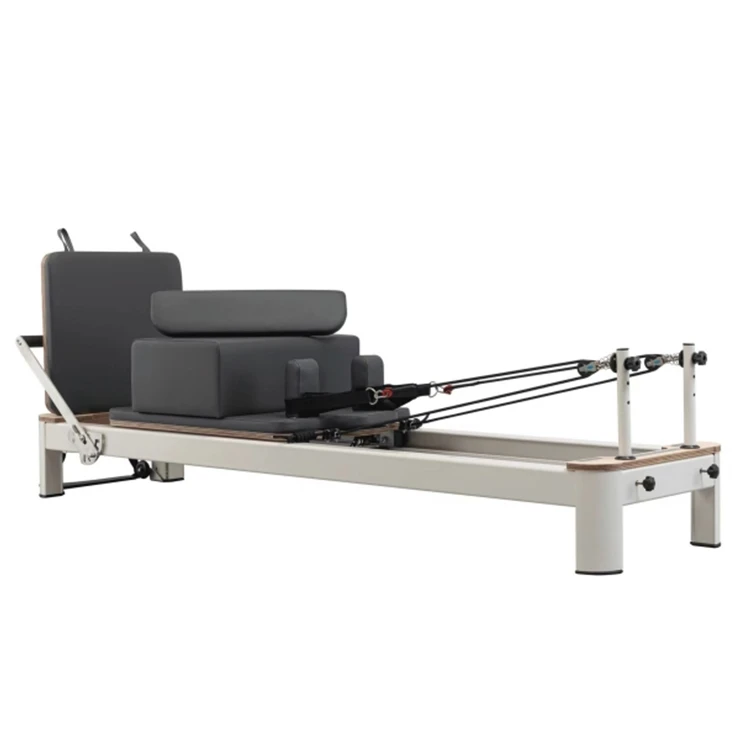
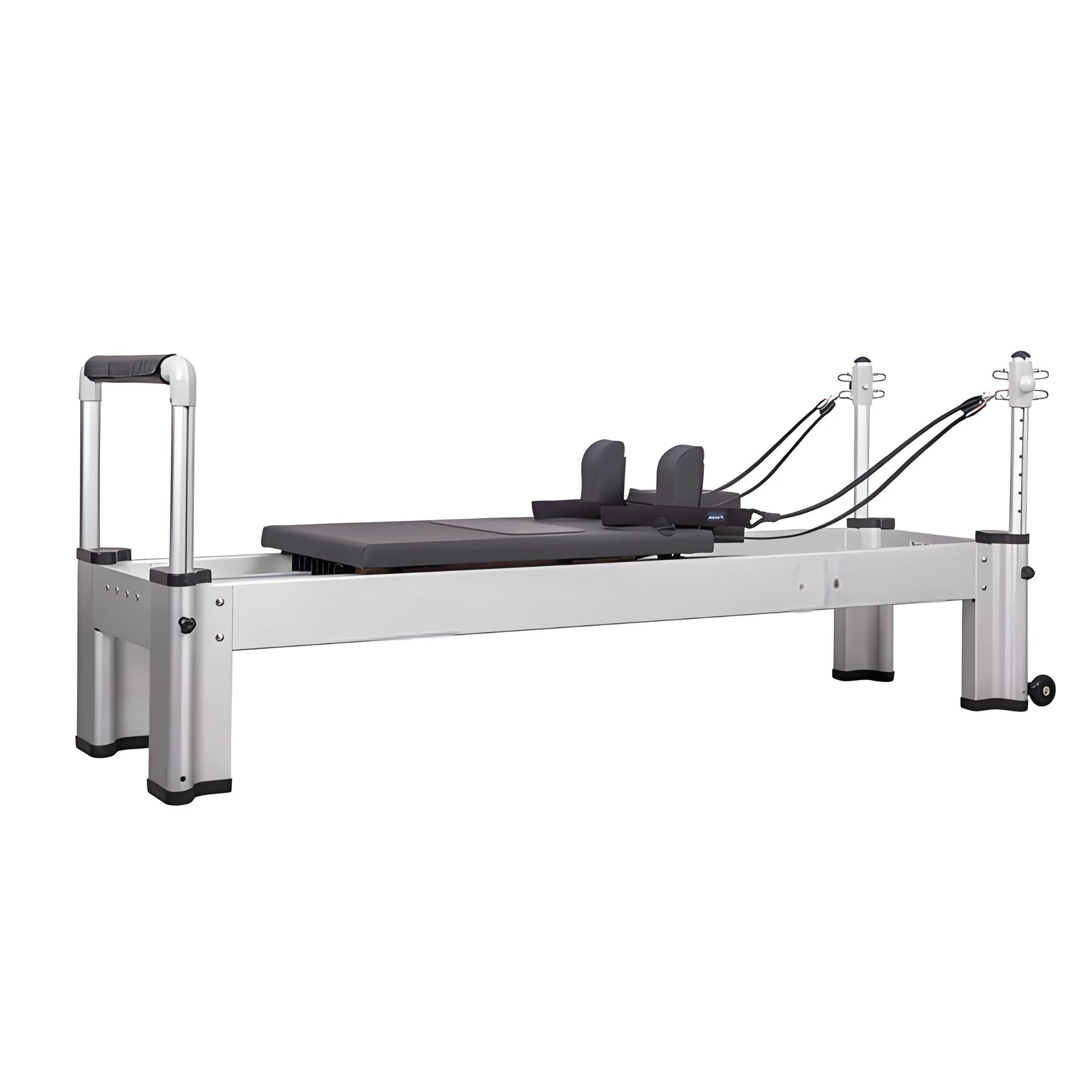
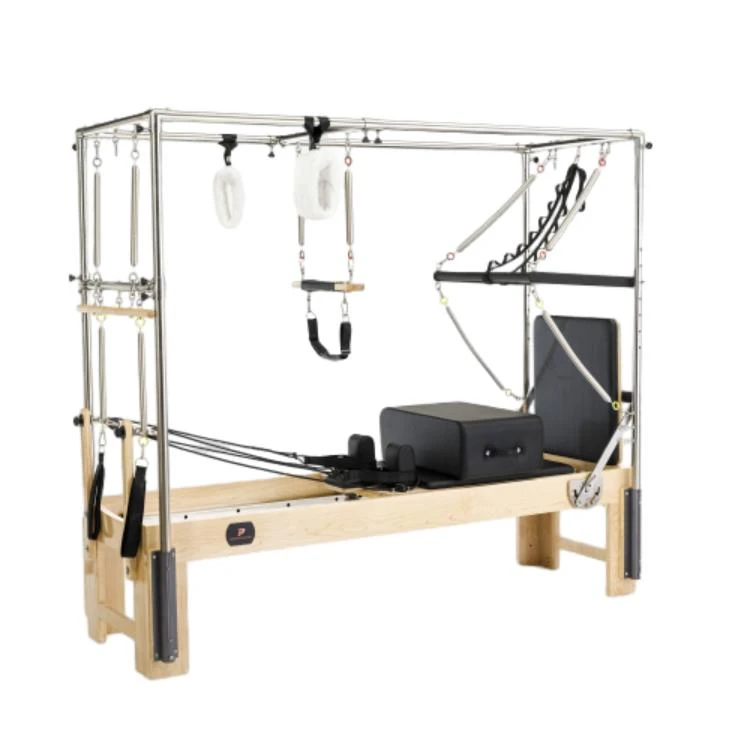
Having spent several years working around industrial equipment, I’m no stranger to buying secondhand machines that tread the line between value and risk. Oddly enough, that applies just as well to pilates reformer used models as it does to larger factory equipment. Pilates reformers are deceptively technical—though at first glance they seem like simple exercise apparatus, their build quality and maintenance history really matter.
I remember the first time I inspected a used reformer—frankly, I was surprised by how the quality of materials, tension springs, and bearings closely matched industrial standards for precision and durability, albeit at a smaller scale. These machines must maintain consistent resistance and smooth motion. Imagine if a spring were fatigued or the carriage rails misaligned—a workout quickly becomes frustrating or even unsafe.
Pilates reformer used purchases often appeal for budget reasons, but it’s worth noting that not all secondhand reformers were created equal. Some brands design for modularity and easy replacement of parts; others leave you scavenging for obscure components. Over the years, I’ve learned that understanding the specs and vendor background saves headaches down the road.
| Feature | Standard Range | Notes |
|---|---|---|
| Frame Material | Hardwood or Aluminum | Wood tends to absorb shock; aluminum adds lighter durability |
| Carriage Track Length | 40” - 53” | Longer tracks allow more workout variations |
| Spring Resistance | Light to Heavy (5-8 Springs) | Look for rust-proof, easily adjustable springs |
| Maximum User Weight | 250-350 lbs | Check the spec; some older models have lower limits |
Interestingly, many experts in the fitness equipment industry emphasize that buying a used reformer with a solid warranty or return policy means you are covering yourself against hidden faults—since these pieces can hide wear in subtle ways, like slight carriage drag due to bent rails or degraded straps. It’s not always obvious in photos, which is why, if possible, a hands-on inspection or a demo is golden.
When I was helping a small studio acquire secondhand reformers for their startup, we compared three popular brands often found on resale markets. Here’s a quick rundown of what stands out between them, based in part on my own notes and conversations with fellow equipment pros:
| Brand | Build Quality | Parts Availability | Average Price (Used) |
|---|---|---|---|
| Balanced Body | High (wood & metal combo) | Excellent, direct vendor support | $1,200 - $1,800 |
| AeroPilates | Moderate (mostly aluminum) | Limited, often third-party parts | $600 - $1,000 |
| Starr Pilates | Very High (all wood, handcrafted) | Strong community support, direct parts | $1,500 - $2,200 |
One anecdote that sticks with me: a Pilates instructor I know bought a used reformer off a local marketplace. Initially, it seemed perfect — great price, barely a scratch. However, after a few weeks, the springs started snapping back roughly, causing jolting resistance. Turns out, the springs weren’t original and the seller hadn’t disclosed a prior refurbishment. Lesson learned — make sure to ask about maintenance history and any replaced parts.
In real terms, a used reformer can be a fantastic investment—especially for beginners or studios on a lean budget—just as long as you do a bit of due diligence. Ask questions, verify condition, and if you can, get a professional opinion. It pays to be cautious but not paralyzed. After all, these machines were designed to last decades when cared for properly.
To sum it up: whether you are picking up a pilates reformer used or new, keep a sharp eye on build quality, vendor reputation, and parts availability. It’s a subtle blend of industrial smarts and an understanding of how this equipment works biomechanically. From my side of the fence, I’d say a little hands-on research is well worth the effort. Happy stretching!
References:
1. Balanced Body Official Specifications.
2. Industry Insights from Fitness Equipment Technical Forums.
3. Instructor Testimonials via Pilates Community Boards.
Latest news
-
Professional Pilates Cadillac Reformer for Sale and Buyer GuideNewsApr.16,2026
-
Professional Guide to Finding the Best Pilates Cadillac for SaleNewsApr.09,2026
-
Find the Perfect Cadillac Reformer Combo for Sale and Elevate Your Pilates PracticeNewsApr.07,2026
-
Choosing the Ideal Wooden Pilates Reformer Machine for Your Fitness JourneyNewsApr.04,2026
-
Choosing the Right Wooden Pilates Equipment for Studio and Home UseNewsMar.31,2026
-
Understanding the Versatility and Benefits of the Wood Reformer for PilatesNewsMar.28,2026
- Address
- Room 1601, 1302, Building A, Zijingguandi, Qiaodong District, Xingtai City, Hebei Province, China
- Sandra@raetin.com
- Phone
- +86 18231139331