
Is Reformer Pilates Good for You? Insights from an Industry Veteran
Is Reformer Pilates Good for You? A Veteran’s Take
After spending a solid dozen years working in the industrial equipment sector, I’ve seen my share of complex machinery, precise engineering, and rigorous testing. Oddly enough, it was only recently that I encountered Reformer Pilates—a practice that, on the surface, feels worlds apart from heavy machinery and tools, but in real terms shares a similar attention to precision and control. You know, people sometimes think Pilates is just “gentle stretching,” but there’s quite a bit more going on.
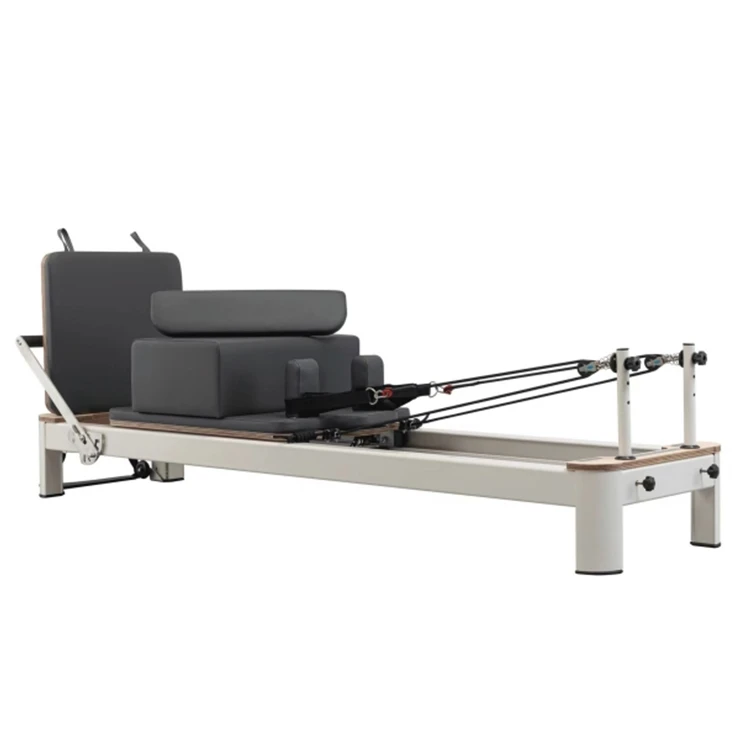
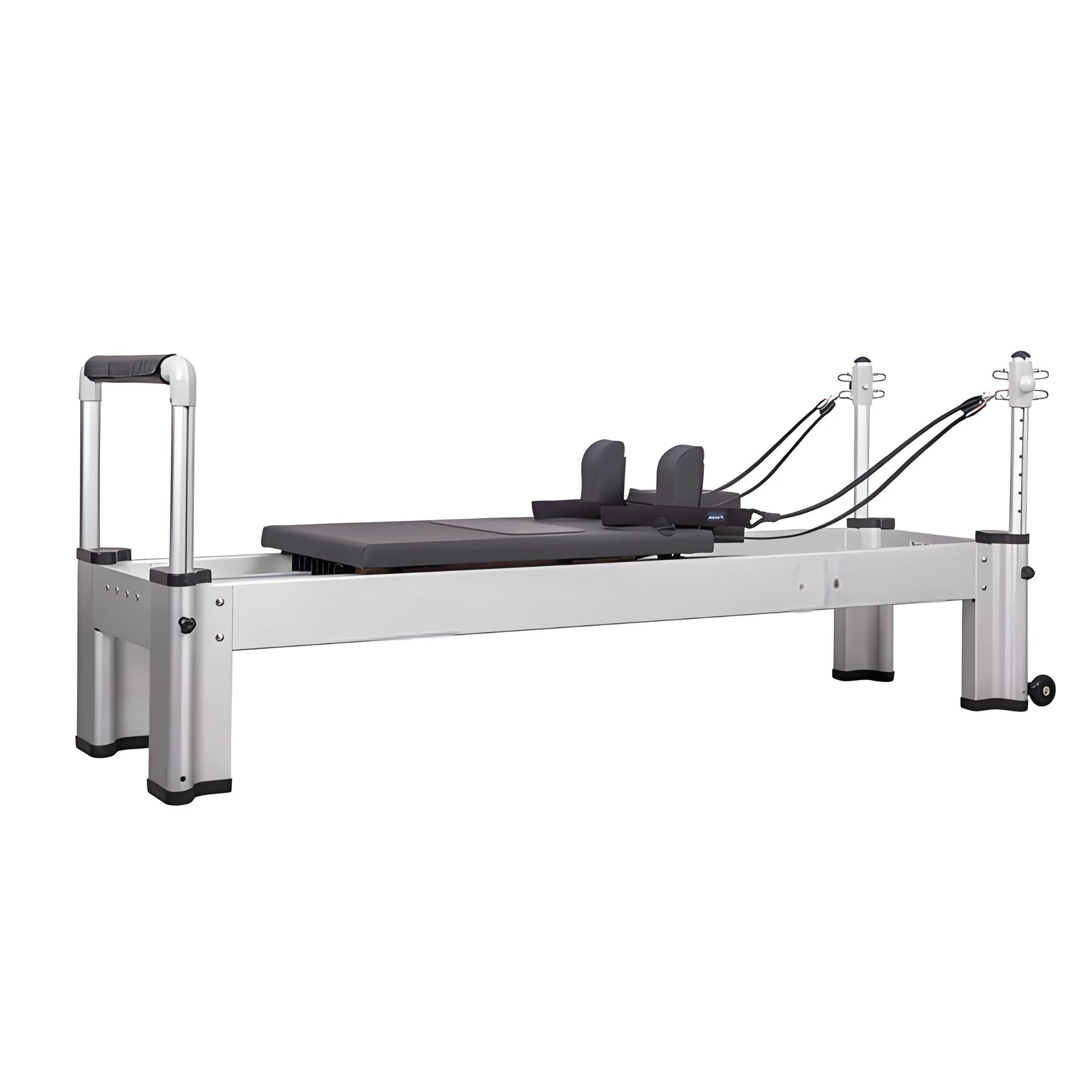
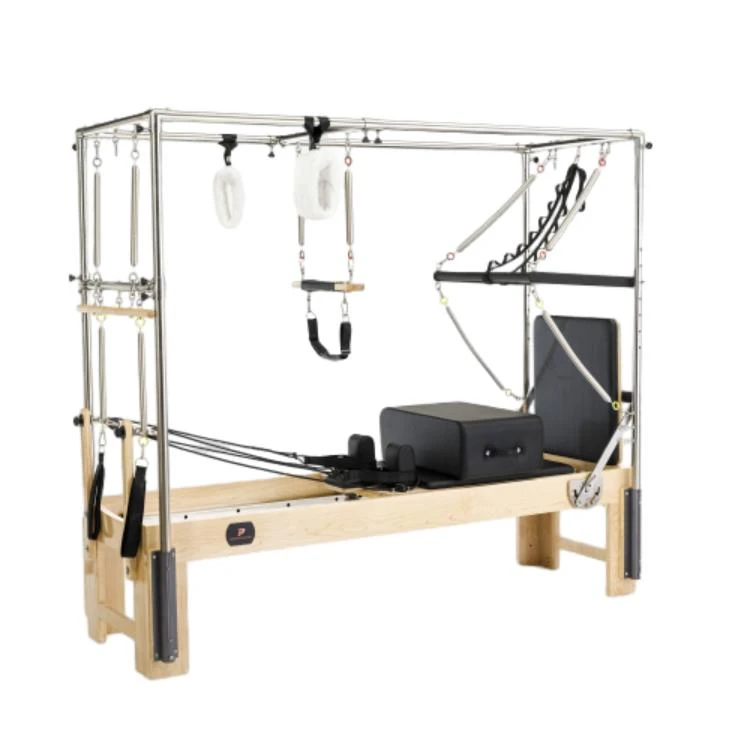
Frankly, when I first tried a reformer machine, I was struck by the design. The equipment looks deceptively simple—pulley systems, springs, a sliding carriage. But each component plays a critical role, much like the parts in the machines I’m used to. The tension of the springs, the smooth glide of the carriage, the resistance tailored to each user—they all combine in a way that feels engineered for effective, low-impact workout.
What strikes me the most is how reformer Pilates creates a unique balance between strength and flexibility. Unlike your standard gym machines, which often isolate muscle groups, the reformer engages the entire body. It feels kind of like tuning up an intricate piece of equipment, where every part needs adjustment and fine control to run smoothly. My own experience—and what many clients report—is a deeper awareness of posture and breath control, which oddly enough, translates into less back pain and better movement in daily life.
From an industry perspective, the materials used in reformer Pilates machines have evolved quite a bit. Early versions were mostly wood and basic springs, but today’s machines often feature aircraft-grade aluminum, reinforced steel cables, and high-density cushioning for comfort and durability. These machines undergo rigorous quality testing—to ensure resistance levels hold up, safety standards meet certifications, and adjustments remain consistent over time. I suppose that level of engineering reliability explains why some physical therapists swear by reformers for injury rehabilitation.
Speaking of rehab, I remember a story from a colleague—a structural engineer named Sarah—who suffered chronic shoulder pain after years at the drafting table. She took up reformer Pilates and noticed, after about eight weeks, a significant reduction in discomfort and an increase in range of motion. I find anecdotes like this compelling because they show that beyond fitness trends, there’s a real-world impact, especially with the methodical, progress-tracked approach reformer Pilates encourages.
Customization is another strong suit. You can easily adjust spring tension, foot bar position, and straps to accommodate varied skill levels and physical capabilities. This makes reformer Pilates accessible to a broad range of people, whether you’re recovering from an injury or simply want to build core strength without high-impact movements.
Reformer Pilates Machine - Key Specifications
| Feature | Specification |
|---|---|
| Frame Material | Aluminum & Hardwood |
| Spring Resistance Levels | 5 adjustable springs (Light to Heavy) |
| Carriage Dimensions | 84" x 24" x 10" |
| Maximum User Weight | 300 lbs (136 kg) |
| Safety Certification | ISO 20957-1 certified |
Top Vendor Comparison for Reformer Pilates Machines
| Vendor | Build Quality | Price Range | Warranty | Customization Options |
|---|---|---|---|---|
| PilatesSports | Premium aluminum & hardwood | $3,200 - $4,000 | 5 years frame, 2 years springs | 5 resistance springs, adjustable foot bar |
| Align-Pilates | Steel frame, medium grade | $2,200 - $2,800 | 3 years frame, 1 year springs | 3 resistance springs, fixed foot bar |
| FlexReform | Composite materials, high durability | $2,800 - $3,500 | 4 years frame, 2 years springs | 4 resistance springs, adjustable foot bar |
In sum, if you’re the kind of person who appreciates well-engineered equipment and a workout that’s about precision, reformer Pilates might just be worth exploring. It’s not just trend fitness—there’s craftsmanship and thoughtful design behind it, with genuine benefits that grow with consistent practice.
Sometimes, it feels a little like maintaining a finely tuned machine—a balance of strength, control, and steady progress. And frankly, once you get into it, it kind of makes perfect sense.
References
- International Organization for Standardization, ISO 20957-1 safety standards.
- Client testimonial shared by Sarah L., Structural Engineer.
- Pilates equipment manufacturing materials and quality testing reports.
Latest news
-
Professional Pilates Cadillac Reformer for Sale and Buyer GuideNewsApr.16,2026
-
Professional Guide to Finding the Best Pilates Cadillac for SaleNewsApr.09,2026
-
Find the Perfect Cadillac Reformer Combo for Sale and Elevate Your Pilates PracticeNewsApr.07,2026
-
Choosing the Ideal Wooden Pilates Reformer Machine for Your Fitness JourneyNewsApr.04,2026
-
Choosing the Right Wooden Pilates Equipment for Studio and Home UseNewsMar.31,2026
-
Understanding the Versatility and Benefits of the Wood Reformer for PilatesNewsMar.28,2026
- Address
- Room 1601, 1302, Building A, Zijingguandi, Qiaodong District, Xingtai City, Hebei Province, China
- Sandra@raetin.com
- Phone
- +86 18231139331