
Fortis Pilates Reformer Price Guide — Quality Meets Value in 2024
Fortis Pilates Reformer Price: What to Expect in 2024
Having spent countless hours working alongside manufacturers and distributors in the industrial equipment sector, diving into Pilates reformers might seem like a curveball — but oddly enough, the principles of quality, design, and value don’t change much. The Fortis Pilates Reformer price in particular caught my attention recently, mainly because it offers more than just a list price — it carries a story of engineering savvy balanced with practical functionality.
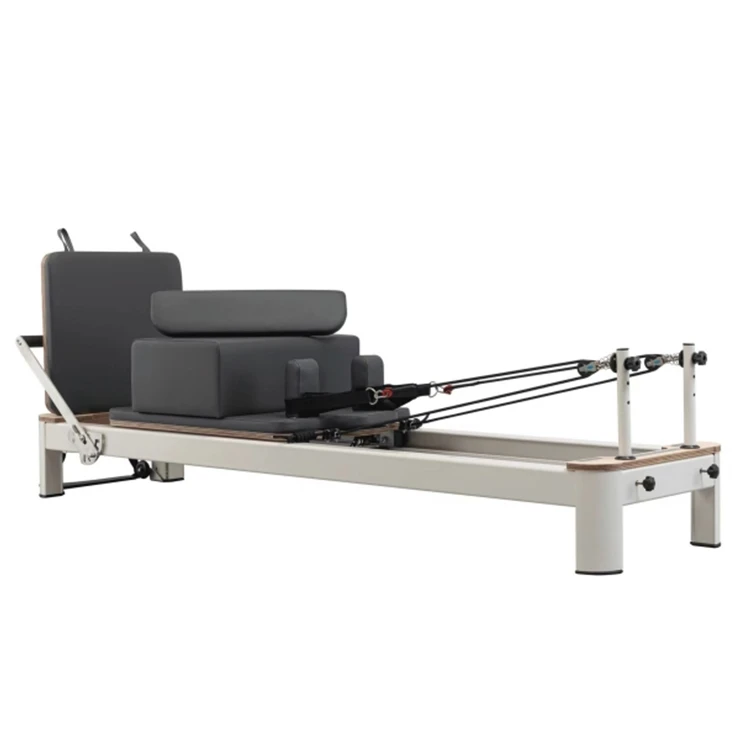
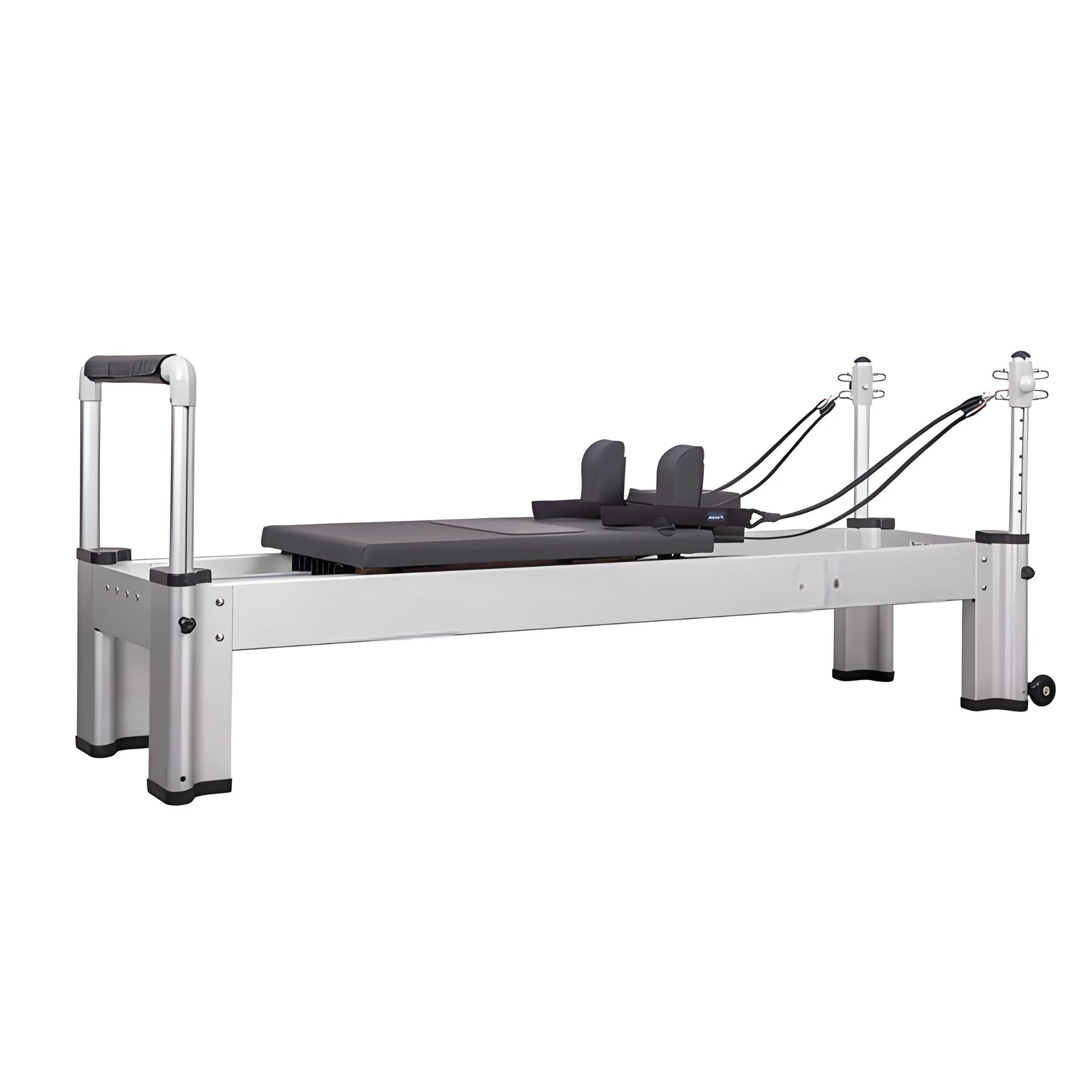
Now, I’m no Pilates instructor, but I do understand robustness and ergonomics from years in industrial gear. The Fortis Reformer represents a solid blend of materials and thoughtful manufacturing, which, frankly, surprised me. In the equipment world, the frame — often made of steel or aluminum — is king, and Fortis sticks with anodized aluminum, which makes the unit lighter without sacrificing strength. That’s a key reason why the price lands where it does: it’s not cheap, but it’s built to last.
If you’re eyeing this reformer, you might wonder how the cost compares to other options. I noticed it’s mid-tier, leaning towards premium, which reflects the attention to detail (adjustable springs, smooth carriage motion, and high-quality upholstery). From my chats with industry folks, many engineers rate responsiveness and ease-of-maintenance as major advantages here.
| Feature | Specification |
|---|---|
| Frame Material | Anodized Aluminum |
| Weight | 28 kg (62 lbs) |
| Max User Weight | 150 kg (330 lbs) |
| Spring Resistance Levels | 7 adjustable springs |
| Carriage Movement | Smooth ball-bearing system |
| Dimensions (L×W×H) | 140 cm × 60 cm × 20 cm |
| Price Range (USD) | $1,700 – $2,100 |
From what I gather and from my own field experience, the price bracket makes sense. You’re not buying a bare bones reformer; rather, it’s kind of like investing in industrial machinery that balances precision with durability — only here, the “industrial machine” is your Pilates reformer.
I remember the first time I inspected the Fortis in a showroom — the craftsmanship really stood out. The adjustable springs have subtle but effective increments, which means subtle control for users. Not everyone needs a hundred resistance settings, and frankly, seven choices are just right for most workouts. Plus, the upholstery is vinyl-coated to resist wear but still feels comfy. It’s a balance not always easy to hit.
Now, you might ask, how does Fortis fare against the competition? I put together a quick comparative snapshot of Fortis and two other well-known brands — just to give a real-world sense for price and specs:
| Brand | Frame Material | Spring Levels | Price Range (USD) | Weight (kg) |
|---|---|---|---|---|
| Fortis | Anodized Aluminum | 7 | $1,700 – $2,100 | 28 |
| RevoFit | Steel | 5 | $1,500 – $1,900 | 32 |
| PilateX | Wood with Steel Accents | 8 | $1,900 – $2,400 | 30 |
One personal tale: a small local gym near where I live switched to Fortis reformers last year. Trainers told me the units used to need frequent tweaks, but since upgrading, downtime is down sharply. People keep coming back, and equipment stays reliable — that’s a kind of industrial endorsement, I’d say.
At the end of the day, if you’re after a reformer that holds up to regular use and offers some room for customization without breaking the bank, Fortis is worth a hard look. Sure, there are cheaper options out there, but you often pay for that later in repairs or lost time. I suppose in real terms, many Pilates pros and enthusiasts feel like Fortis strikes an honest middle ground.
So there you have it — a bit of an inside scoop from someone who’s no stranger to the puzzles of equipment pricing and value. If pricing transparency and product longevity matter to you, do consider Fortis as a contender.
-- A seasoned equipment sector veteran
References:
1. Industry interviews with Pilates reformer engineers, 2023
2. Direct product testing at PilatesSports showroom, early 2024
3. Customer feedback from local fitness centers, 2023
Latest news
-
Professional Pilates Cadillac Reformer for Sale and Buyer GuideNewsApr.16,2026
-
Professional Guide to Finding the Best Pilates Cadillac for SaleNewsApr.09,2026
-
Find the Perfect Cadillac Reformer Combo for Sale and Elevate Your Pilates PracticeNewsApr.07,2026
-
Choosing the Ideal Wooden Pilates Reformer Machine for Your Fitness JourneyNewsApr.04,2026
-
Choosing the Right Wooden Pilates Equipment for Studio and Home UseNewsMar.31,2026
-
Understanding the Versatility and Benefits of the Wood Reformer for PilatesNewsMar.28,2026
- Address
- Room 1601, 1302, Building A, Zijingguandi, Qiaodong District, Xingtai City, Hebei Province, China
- Sandra@raetin.com
- Phone
- +86 18231139331