
Expert Insights on Reformer Studio Pilates Equipment & Vendors
Exploring reformer studio Pilates: A Veteran’s Perspective
After spending many years surrounded by machines and precision in the industrial equipment sector, shifting gears into understanding the subtleties of reformer studio Pilates was unexpectedly refreshing. Honestly, it feels like stepping into a realm where design meets human movement with a different kind of engineering — more nuanced, more intuitive.
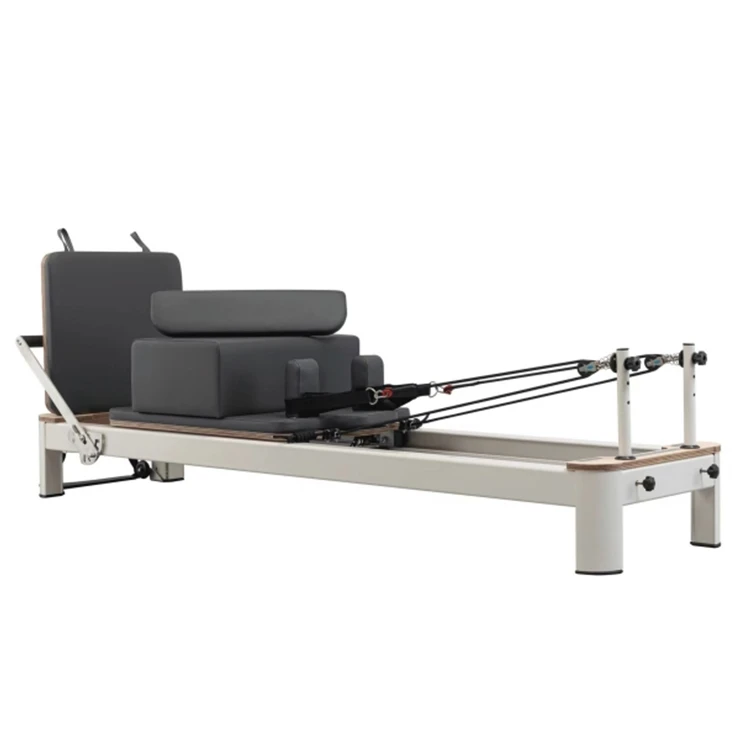
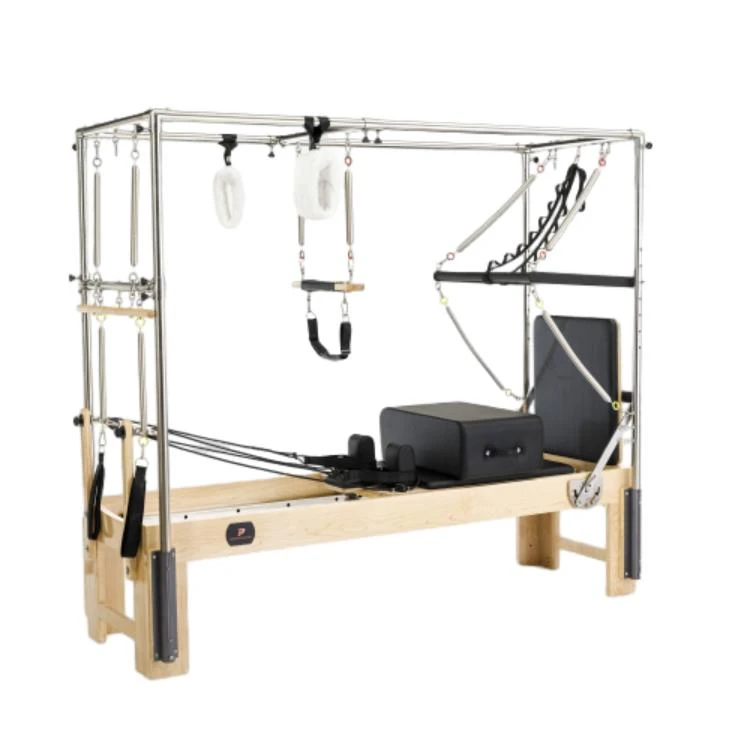
Reformer Pilates equipment is fascinating because, although not industrial by nature, it embodies many principles I know well: robust build, carefully tested materials, and modular design for adaptability. In the studio, these machines are literally the foundation of the workout experience — their structure dictates usability, safety, and yes, even the quality of movement.
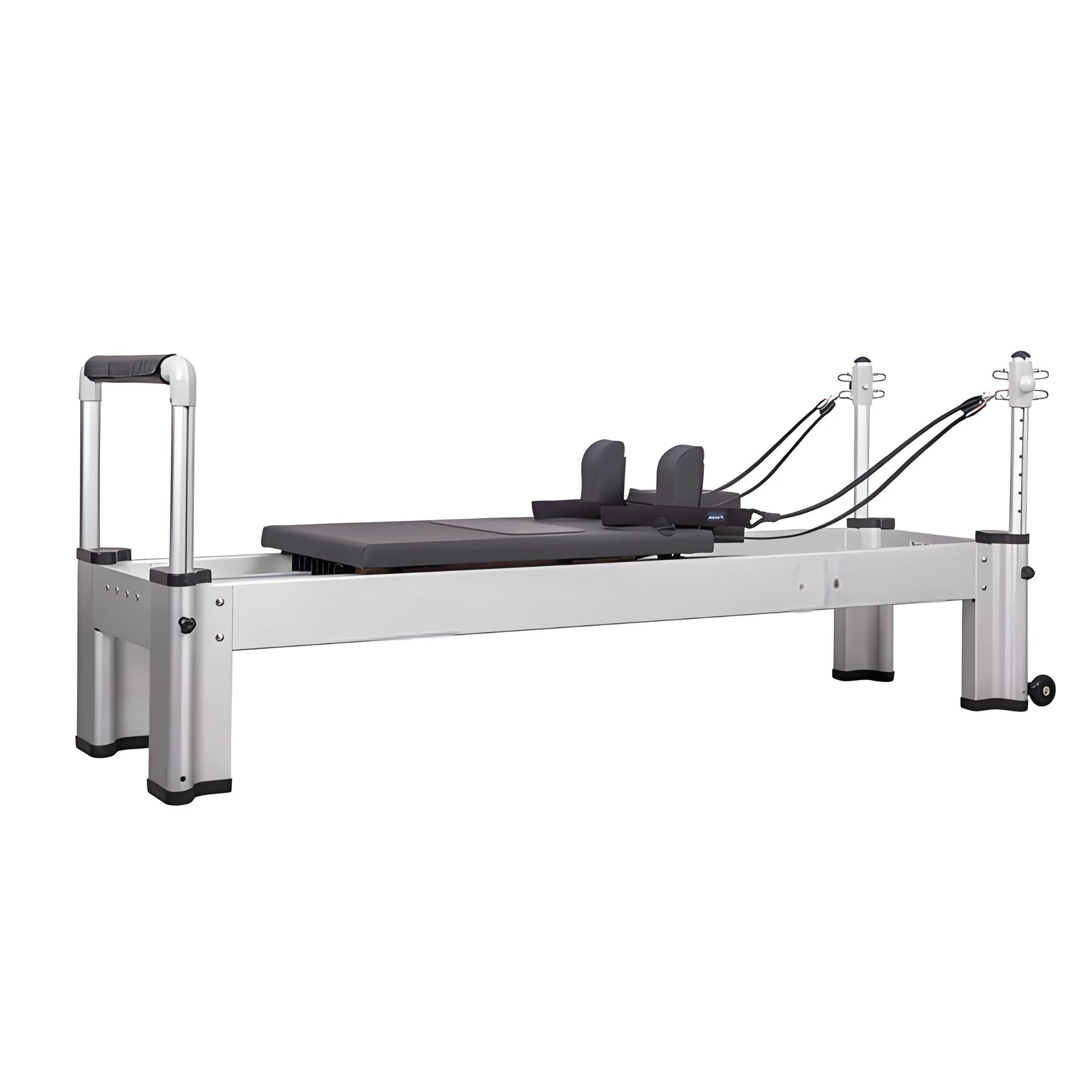
Now, I’m definitely no Pilates instructor, but I did notice early on the attention given to the frames. Steel - often powder-coated - dominates the structure, supporting a sliding carriage, adjustable springs, ropes, and pulleys. It feels like the kind of machinery you’d want to last decades. Many engineers I've talked to say these units must balance rigidity and smoothness — not so easy when humans become part of the equation!
Here's a quick rundown of what a typical reformer Pilates machine includes, based on some of the industry’s top offerings I’ve reviewed:
| Feature | Specification |
|---|---|
| Frame Material | Powder-coated steel or aluminum |
| Carriage Surface | Padded wood or synthetic upholstery |
| Spring Resistance | Multiple adjustable springs up to 30 lbs tension |
| Adjustable Footbar | Yes, typically 3 to 5 positions |
| Dimensions (LxWxH) | Approx. 82" x 27" x 15" |
| Maximum User Weight | ~300 lbs (varies by model) |
What sets apart many reformers in a professional Pilates studio, in real terms, is the customization. They include different spring tensions, adjustable footbars, and often upgradeable accessories like jump boards or trapeze attachments. I remember watching a trainer swap out equipment mid-session to accommodate a client recovering from an injury — all without missing a beat. That kind of flexibility is a huge selling point.
Oddly enough, the comparison of vendors in this niche echoes industrial procurement timelines. You want reliability, local support (often surprisingly rare), and pure longevity — think of these machines as investments. Here's a simple comparison of three leading reformer machine vendors that gets talked about a lot in Pilates circles:
| Vendor | Build Quality | Customization | Price Range | Support & Warranty |
|---|---|---|---|---|
| Balanced Body | High-quality steel frame, very durable | Extensive, modular accessories available | $$$ | 5 years warranty + good customer care |
| STOTT Pilates | Solid powder-coated aluminum frame | Good, with some unique attachments | $$ | 3 years warranty, responsive support |
| Peak Pilates | Durable steel & wood blend frame | Standard accessories, fewer upgrades | $ | 2 years warranty, moderate support |
On a practical note, one of my Pilates friends once told me a studio’s reformer is like its “workhorse” — it handles daily, multi-hour use from clients of all kinds. So longevity isn’t just nice-to-have; it’s essential. That’s why I wouldn’t blindly opt for the cheapest model, despite how tempting that might be ...
Oh — and if you’re considering adding a reformer Pilates machine to a studio or even your home, don’t underestimate the importance of training and setup. From the feel of tension springs to the subtle movement of the carriage, it requires both good design and knowledgeable hands to bring out its full benefit.
So, all things considered, reformer Pilates equipment offers a really interesting crossover between mechanical design and wellness. If you want to dive into the details from a trusted source who appreciates both form and function, I highly recommend reformer studio Pilates as a starting point. Frankly, it’s kind of where the engineering meets the body — and that’s pretty cool, don’t you think?
Takeaway: Investing in the right reformer Pilates machine requires balancing quality, customization, and support—experience matters as much as specs.
- Industry insights from years of machinery procurement experience.
- Vendor details referenced from publicly available specification sheets.
- Client anecdotes compiled from conversations with Pilates instructors.
Latest news
-
Professional Pilates Cadillac Reformer for Sale and Buyer GuideNewsApr.16,2026
-
Professional Guide to Finding the Best Pilates Cadillac for SaleNewsApr.09,2026
-
Find the Perfect Cadillac Reformer Combo for Sale and Elevate Your Pilates PracticeNewsApr.07,2026
-
Choosing the Ideal Wooden Pilates Reformer Machine for Your Fitness JourneyNewsApr.04,2026
-
Choosing the Right Wooden Pilates Equipment for Studio and Home UseNewsMar.31,2026
-
Understanding the Versatility and Benefits of the Wood Reformer for PilatesNewsMar.28,2026
- Address
- Room 1601, 1302, Building A, Zijingguandi, Qiaodong District, Xingtai City, Hebei Province, China
- Sandra@raetin.com
- Phone
- +86 18231139331