
Essential Guide to Equipment Used in Pilates – Benefits, Specs & Trends
Understanding Equipment Used in Pilates: A Guide for Enthusiasts and Professionals
Pilates has steadily become more than just a fitness fad. Worldwide, it's embraced as a mindful exercise system that improves strength, flexibility, and balance. But, oddly enough, the magic really comes alive when you combine movement with the equipment used in Pilates. These tools not only intensify workouts but also open doors to rehabilitation and personalized training. In a world that's growing ever more health-conscious, understanding this equipment matters because it ensures safe, effective practice, whether you're in a boutique studio or a hospital recovery room.
Why Does Pilates Equipment Matter Globally?
Pilates is no longer confined to gyms in major cities. The global industry around Pilates equipment is booming, expected to reach billions in market value in just a few years. According to Wikipedia, and fitness market reports, more people worldwide choose Pilates for its low-impact approach. But there's a challenge — not all equipment is created equal, and access can be limited, especially in developing regions. This raises questions on cost, safety, and adaptability, issues that suppliers and practitioners alike are trying to solve.
Defining Equipment Used in Pilates
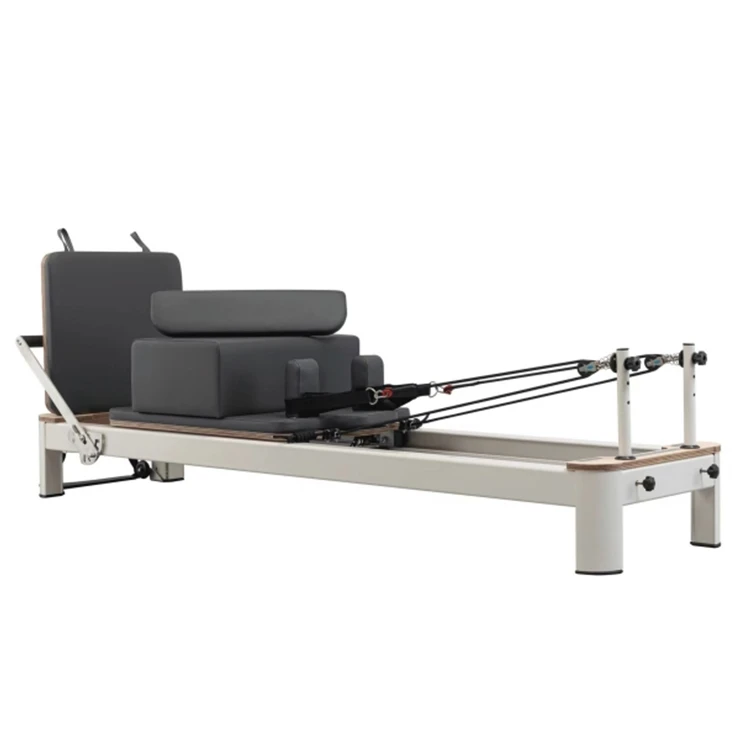
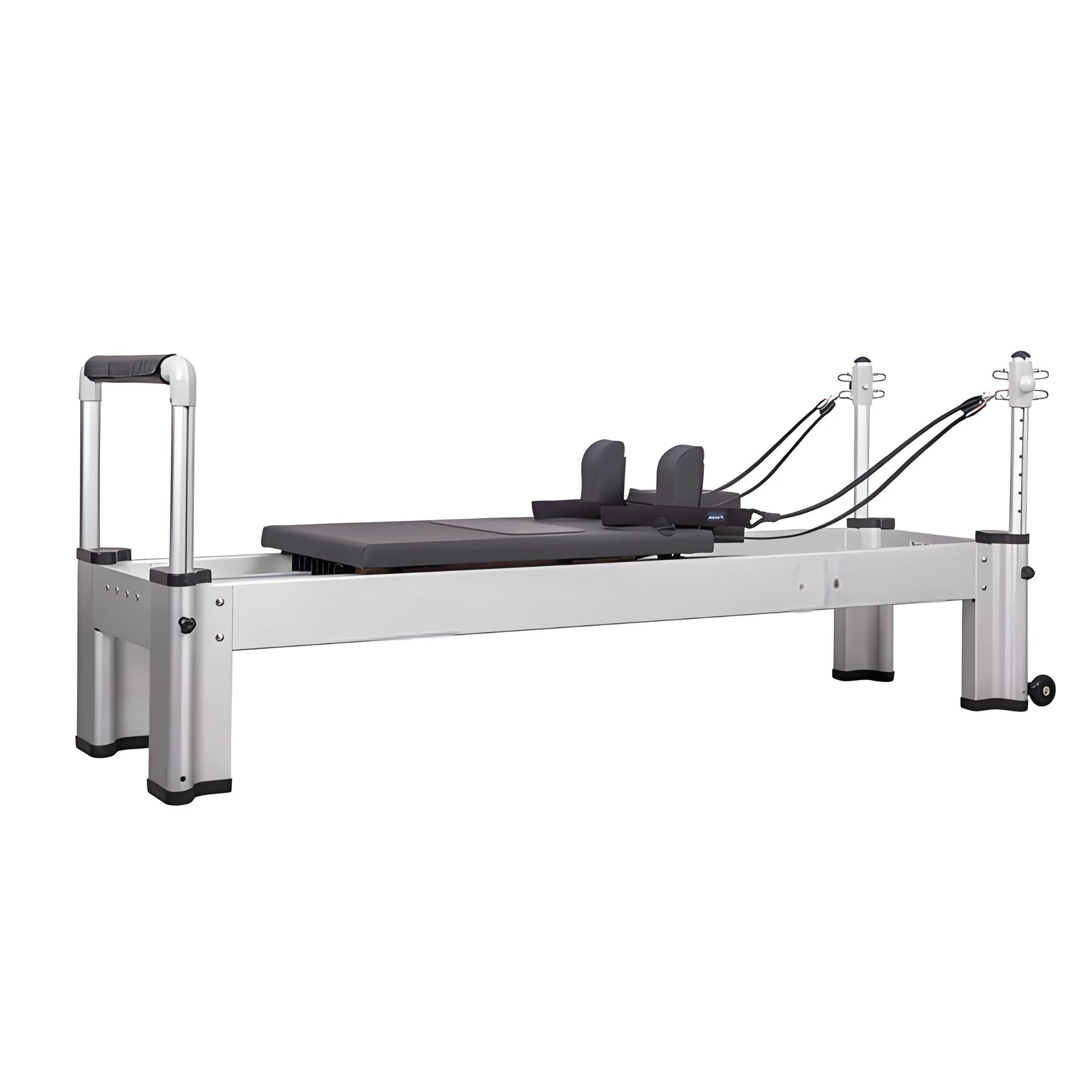
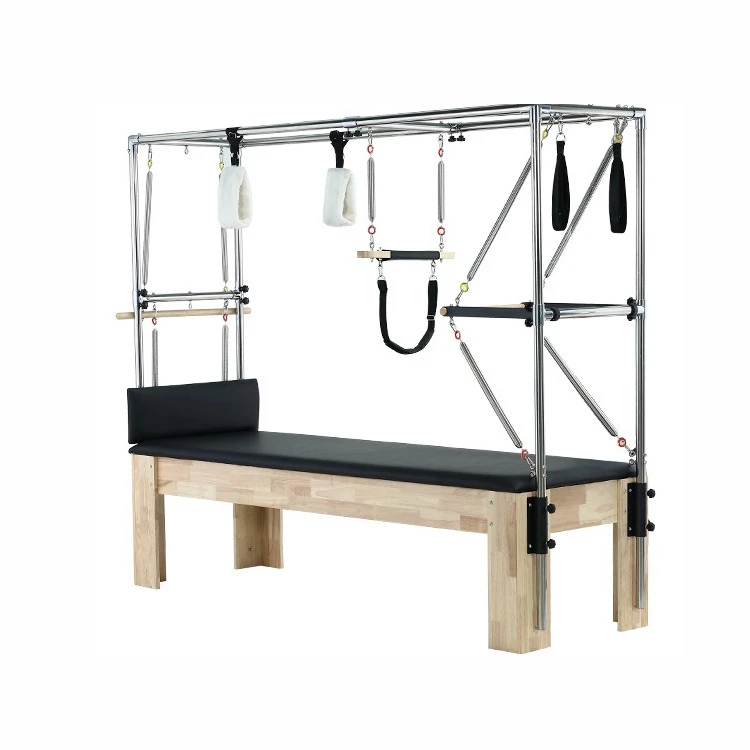
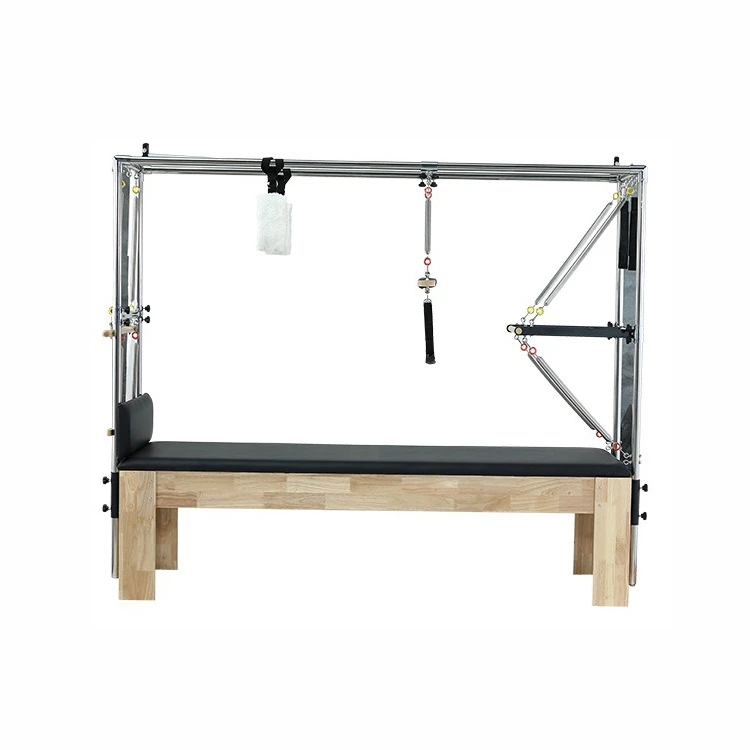
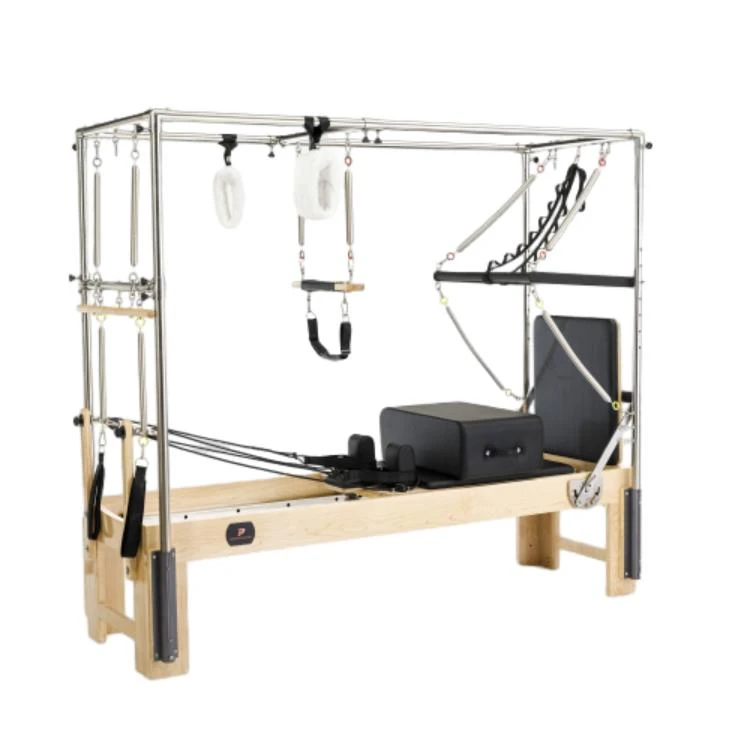
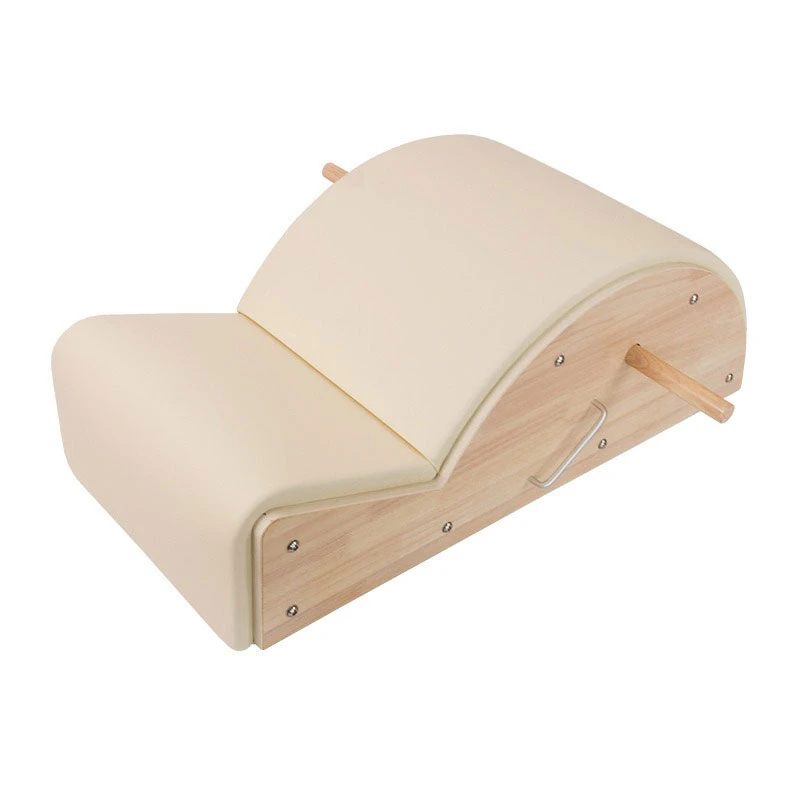
Simply put, equipment used in Pilates refers to the specialized apparatus designed to support Pilates exercises. These range from mats and resistance bands to complex machines like the Reformer or Cadillac. While Pilates started as a mat-based discipline, the incorporation of equipment allows both beginners and advanced practitioners to scale difficulty, protect vulnerable joints, and better target muscle groups. Interestingly, many hospitals and rehabilitation centers depend heavily on these tools to assist patients recovering from injuries.
Core Components of Pilates Equipment
1. Durability
Pilates machines must withstand repeated use, sometimes daily in busy studios. Materials like stainless steel frames, sturdy springs, and quality leather straps ensure longevity. It’s one thing to buy a fancy machine—you don’t want it to wobble halfway through a session.
2. Versatility
Equipment should support multiple exercises for various skill levels. For example, the Reformer's adjustable springs allow different resistance levels. Versatility means better value and more personalized workouts.
3. Safety Features
Given Pilates incorporates resistance and controlled movements, safety is paramount. Features like smooth edges, secure fastenings, and non-slip surfaces minimize injury risks. Studios often prefer brands that meet industry safety certifications, like ISO standards.
4. Portability
Not all Pilates equipment is bulky, and some like small Pilates balls or foam rollers are popular for home use or travel. Lighter, portable equipment expands Pilates’ reach into remote or underserved areas.
5. Cost Efficiency
While commercial-grade machines can be pricey, there are budget options for beginners. Balancing quality with affordability is a constant conversation in the Pilates world.
Popular Pilates Equipment Specifications
| Equipment | Dimensions | Weight | Material | Typical Price Range |
|---|---|---|---|---|
| Reformer | 82" x 26" x 15" | 85 lbs | Wood/Steel, Leather | $1,500–$3,000 |
| Cadillac | 90" x 26" x 82" | 120 lbs | Steel Frames, Upholstery | $3,000–$5,500 |
| Pilates Ball | 10–26 inch diameter | 1–3 lbs | PVC Plastic | $15–$50 |
| Resistance Bands | Various lengths | <1 lb | Latex or Rubber | $10–$30 |
Comparing Top Vendors of Pilates Equipment Used
| Vendor | Product Range | Price Point | Warranty | Shipping |
|---|---|---|---|---|
| Balanced Body | Reformers, Cadillacs, Accessories | High | 10 years on frame | Worldwide |
| Stott Pilates | Commercial and Home Equipment | Mid to High | 7 years on frame | Selective Countries |
| Peak Pilates | Machines & Mats | Mid | 5 years | Limited International |
| AeroPilates | Home-Use Reformers | Low | 2 years | Domestic US |
Global Applications & Real-World Use Cases
The adaptability of Pilates apparatus shines across settings. In Europe and North America, you’ll find studios packed with various Pilates machines, catering to athletes and people recovering from injuries. In Asia, particularly Japan and South Korea, Pilates is embraced for wellness, with home-use equipment booming in sales.
Oddly enough, hospitals in Australia have integrated Pilates equipment for physical therapy, enhancing patient recovery outcomes. Remote rehabilitation centers in Canada use compact versions like Pilates balls and resistance bands to deliver accessible care. Meanwhile, fitness tourism in places like Bali features Pilates retreats packed with equipment—and yoga mats, of course.
Advantages & Long-Term Value of Pilates Equipment
- Physical Benefits: Enhanced muscle tone, joint safety, improved posture.
- Emotional & Social: Builds confidence and a sense of community around mindful movement.
- Cost-Effectiveness: Durable equipment can last years, reducing long-term investment costs.
- Sustainability: Some manufacturers now use eco-friendly materials, reducing environmental impact.
Emerging Trends & Innovations
Technology and sustainability are reshaping Pilates equipment. We’re seeing smarter devices with biofeedback for posture and form analysis, often integrated with fitness apps. Plant-based leathers and recycled metals reflect a shift toward greener production. Plus, companies are experimenting with modular, foldable reformers to ease shipping footprints and studio space challenges. Remote rehabilitation leveraging lightweight gear is also gaining ground—kind of a game-changer for rural health.
Challenges & Practical Solutions
Cost remains a barrier for many beginners or smaller studios, and importing equipment can pose customs headaches. Durability issues may arise with cheaper models, leading to frustration and safety concerns. That said, many vendors now offer payment plans, extended warranties, and even trade-in programs to help customers. For emerging markets, local manufacturing partnerships help curb costs and improve availability.
FAQ: Frequently Asked Questions About Equipment Used in Pilates
Q1: What makes Pilates equipment better than simple floor exercises?
A: Equipment like Reformers provides adjustable resistance and support, allowing for deeper muscle engagement and joint protection. This aids in rehabilitation and tailors difficulty across levels, which plain mat work may not offer.
Q2: How portable is Pilates equipment for home or travel?
A: While large machines aren’t travel-friendly, smaller tools such as Pilates balls, resistance bands, and foam rollers are lightweight and easy to pack, making them excellent companions for workouts anywhere.
Q3: Are Pilates machines suitable for people with injuries?
A: Absolutely. Many physical therapists use Pilates equipment to support safe, low-impact rehab, with adjustable features to customize resistance and support for vulnerable areas.
Q4: How can new studios select the right equipment brands?
A: Look for durability, warranty periods, safety features, and vendor support. Balanced Body and Stott Pilates often lead in commercial-grade reliability but balancing budget and studio needs is key.
Q5: Is eco-friendly Pilates equipment widely available?
A: It's an emerging niche. Some brands are adopting sustainable materials and manufacturing processes, though this can come at a premium. Checking vendor certifications and environmental policies helps.
Conclusion & Call to Action
Whether you’re a beginner just curious about Pilates or a studio owner investing in equipment, knowing about the equipment used in Pilates is crucial. These tools not only transform workouts but also promote longevity, safety, and innovation in practice. For more on choosing devices, rehab applications, or trends, visit our website. Your Pilates journey could just get a lot more interesting—and effective.
In real terms, Pilates equipment bridges the gap between movement and healing, art and science. It feels like fitness finally designed to care.
References
Latest news
-
Professional Pilates Cadillac Reformer for Sale and Buyer GuideNewsApr.16,2026
-
Professional Guide to Finding the Best Pilates Cadillac for SaleNewsApr.09,2026
-
Find the Perfect Cadillac Reformer Combo for Sale and Elevate Your Pilates PracticeNewsApr.07,2026
-
Choosing the Ideal Wooden Pilates Reformer Machine for Your Fitness JourneyNewsApr.04,2026
-
Choosing the Right Wooden Pilates Equipment for Studio and Home UseNewsMar.31,2026
-
Understanding the Versatility and Benefits of the Wood Reformer for PilatesNewsMar.28,2026
- Address
- Room 1601, 1302, Building A, Zijingguandi, Qiaodong District, Xingtai City, Hebei Province, China
- Sandra@raetin.com
- Phone
- +86 18231139331