
Discover the Benefits of Portable Reformer Machines for Modern Fitness and Rehab
What’s a Portable Reformer Machine and Why It Matters
If you’re into Pilates, or even just looking for a smart way to blend fitness, therapy, and mobility, the portable reformer machine is something you might’ve come across. But beyond the workout buzz, this device actually speaks to some bigger worldwide trends — think adaptability, wellness on the go, and making specialized fitness accessible without the usual bulk and hassle.
Globally, health and wellness industries are booming, with fitness equipment markets expected to surpass $15 billion by 2028 (source: Statista). Plus, the rise in remote work and home-based fitness means that people want effective equipment that won’t clutter their homes or break the bank.
So having a portable reformer that you can tuck away or take with you? That matters in a world where space is tight, and health routines need to be flexible. It’s not just fitness—it’s a lifestyle enabler.
The Global Context: Why Portability in Pilates Equipment is More Than a Trend
Here’s a little striking fact: Around 76% of consumers say they prefer workouts they can do anytime and anywhere (source: International Board of Therapists). The portable reformer machine taps right into that, reflecting global shifts towards remote healthcare, tele-rehabilitation, and personalized exercise plans.
From big cities to rural areas, access to specialized gyms or physical therapy can be patchy. Imagine a rehab center sending a portable reformer machine to remote clinics or a traveler taking one along to avoid missed workouts. It's globally relevant because it solves the “fitness access” problem in adaptable and affordable ways. You don’t have to sacrifice quality for convenience anymore.
Yet, it’s not just about convenience — there’s a demand for reliable design, safe operation, and sometimes, even smart tech integration to track progress, making these machines a far cry from bulky relics of the past.
So, What Exactly Is a Portable Reformer Machine?
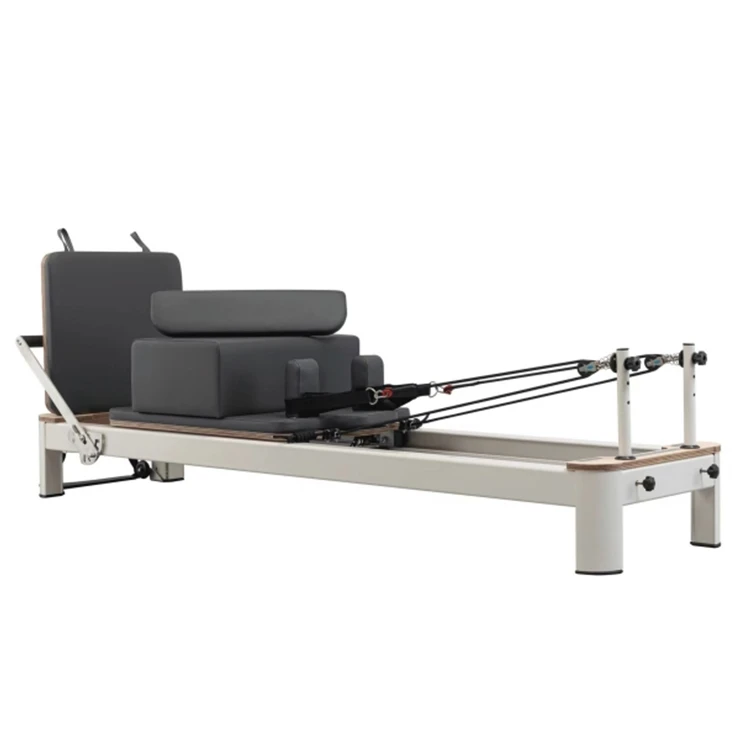
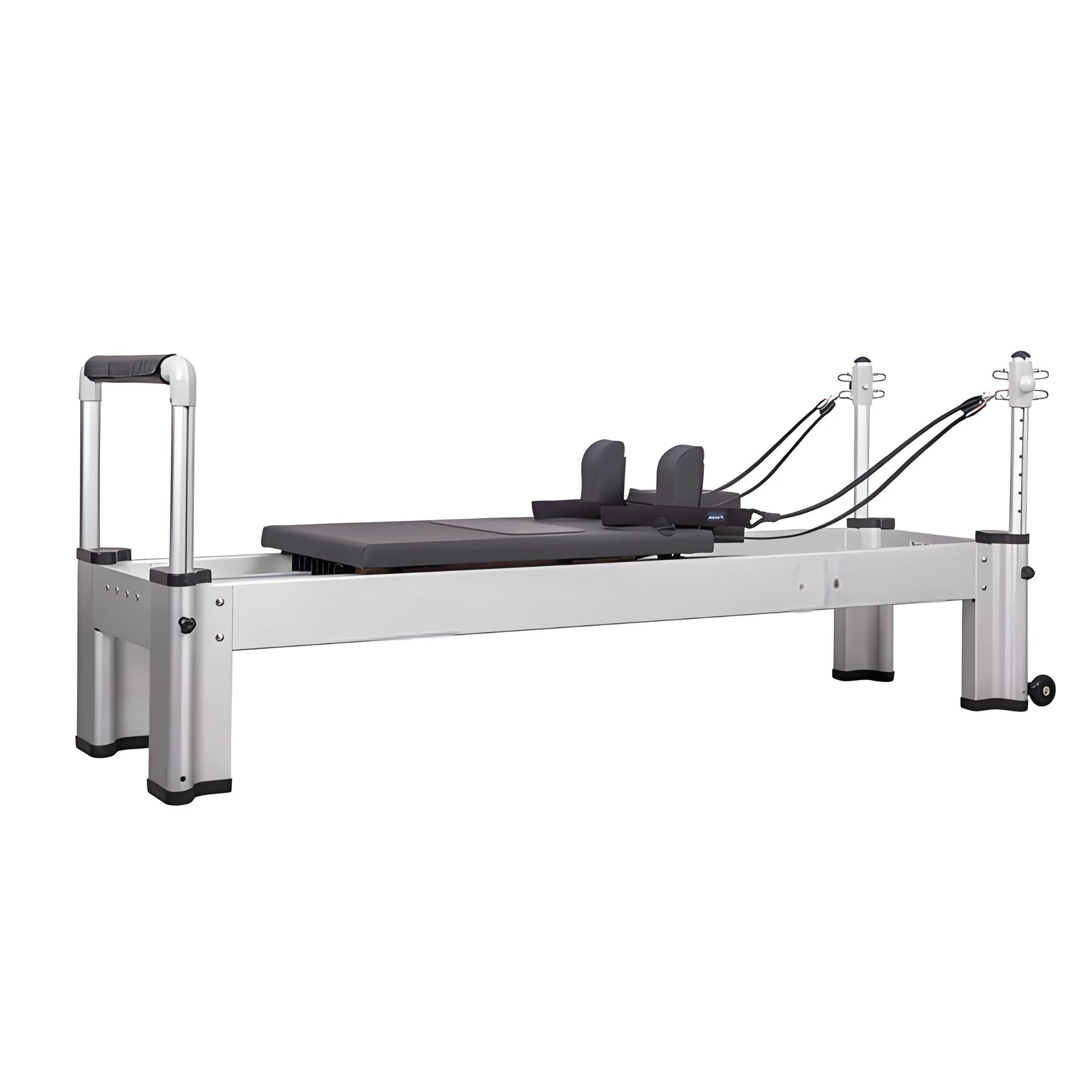
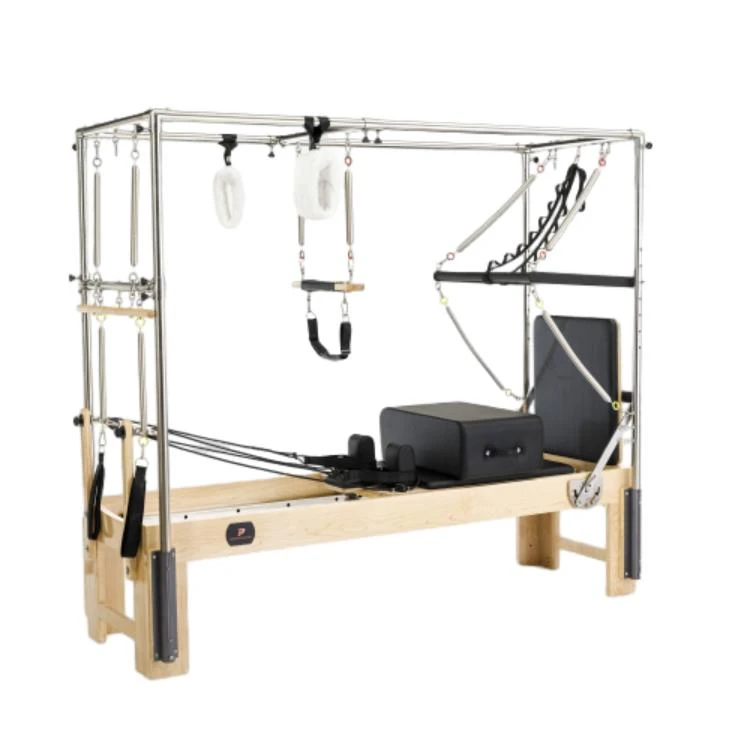
At its core, a portable reformer machine is a lightweight, compact version of the classic Pilates reformer — that sliding platform with springs, pulleys, and straps used for a full-body, resistance-based workout. Designed with foldability, easy assembly, and reduced footprint in mind, these machines let you enjoy Pilates anywhere without demanding a permanent workout nook or professional gym setup.
This means a designer focuses on materials that are strong yet light (like aluminum), collapsible frames, and smart mechanisms for safe, smooth motion. More than just a fitness tool, it's a gadget fusing physical wellbeing with mobility, connecting closely to human-centered design principles and the growing health tech industry.
Key features that make it “portable”:
- Foldable or detachable frame for flat storage
- Lightweight materials such as anodized aluminum or carbon fiber
- Compact dimensions when disassembled
- Secure locking mechanisms for safety on the go
Core Components That Matter in a Portable Reformer Machine
1. Durability
Lightweight doesn’t mean flimsy. Most makers use reinforced aluminum or steel alloys to ensure the frame withstands repeated folding and intense workouts. Durable springs and materials for straps are also key, or you risk premature wear.
2. Adjustability
Users come in all shapes and fitness levels. Adjustable springs, foot bars, and pulleys optimize resistance and angles—crucial in rehabilitation or varied Pilates routines.
3. Safety Features
When you’re working out at home, sometimes without supervision, anti-slip bases, secure locking hinges, and smooth gliders take front stage. Many machines now include quick-release pins and cushioned platforms for comfort and injury prevention.
4. Portability & Storage
Compactness counts. The machine must fold neatly into a size that fits under a bed or in a car trunk easily. Bonus points if it comes with a carrying case or wheels.
5. Cost Efficiency
Efficient design and materials help keep prices competitive. While you don’t want to scrimp on quality, affordable machines open Pilates to a wider audience.
6. Compatibility with Accessories
Some users want to add resistance bands, mats, or even sensors for progress tracking — a feature slowly edging into the portable reformer market.
Portable Reformer Machines in Action Around the World
So where do these machines shine in real-life settings? Quite a few places actually:
- Urban apartments: Where space is gold and gadget versatility gets top points.
- Physical therapy clinics: Handy for therapists who work across multiple locations or with homebound patients.
- Travelers & fitness nomads: The portable design fits right into a suitcase, making it a favorite for those who won’t compromise their routine on the road.
- Rehabilitation centers in rural or disaster-affected areas: Portable reformers can be dispatched easily to support recovery where permanent equipment isn't feasible.
For instance, a physical therapy clinic in rural Canada recently adopted portable reformer machines to help patients who can't afford frequent travel to larger centers — their recovery rates improved, and patients appreciated the convenience greatly. Similarly, established Pilates studios integrate these in hybrid setups for offsite workshops.
Advantages and the Long-Term Value Proposition
- Cost Savings: Investing in a portable reformer reduces gym memberships and commuting expenses.
- Sustainability: Smaller footprint and less material waste in production support environmental goals.
- Health & Safety: Enables regular, consistent exercise which promotes immunity and mobility.
- Emotional Well-being: Having such versatile equipment encourages ongoing self-care and mental clarity, especially in stressful times.
- Trust & Innovation: Leading manufacturers continuously refine these machines, reassuring customers about reliability and longevity.
Summary:
In the long run, a portable reformer machine isn’t just gear — it’s a lifestyle solution blending health, cost-efficiency, and adaptability in a compact package.
Product Specification Table
| Feature | Typical Value | Notes |
|---|---|---|
| Weight | 25-30 kg (55-66 lbs) | Aluminum frame for weight/balance |
| Folded Dimensions | 120 cm x 60 cm x 20 cm | Fits under most beds or seats |
| Max User Weight | 136 kg (300 lbs) | Standard for therapeutic use |
| Adjustable Resistance | Yes (5 spring levels) | Customizes workout intensity |
| Assembly Time | Under 10 minutes | Tool-free assembly on many models |
Comparing Top Vendors for Portable Reformer Machines
| Brand | Price Range | Key Feature | Warranty |
|---|---|---|---|
| PilateX Pro | $900-$1,100 | Ultra-light carbon frame | 3 years |
| FlexPilates Go | $750-$900 | Quick fold & carry system | 2 years |
| MoveEase Compact | $850-$1,000 | Integrated digital progress monitor | 3 years |
Looking Ahead: Innovations on the Horizon
Engineers and designers are increasingly experimenting with:
- Smart sensors: Devices that track motion and provide personalized feedback through apps.
- Eco-friendly materials: Bamboo, recycled plastics, and composite alloys that lower carbon footprints.
- Modular design: Interchangeable parts that users can customize or upgrade themselves.
- Integration with virtual classes: Seamless syncing to live or AI-led Pilates sessions.
Oddly enough, the move towards digital health meets classic movement therapy in this small, portable device — a neat paradox of past and future combined.
Common Challenges & How Experts Suggest We Tackle Them
While the portable reformer is game-changing, some hurdles remain:
- Weight limits: Most models cap user weight at around 300 lbs — which can exclude some individuals.
- Stability concerns: On uneven surfaces, even the best designs can feel shaky.
- Cost barriers: Premium models hover near $1,000, a barrier for some beginners.
Experts recommend:
- Using stabilizing mats or anti-slip pads for uneven floors.
- Trying smaller, incremental investments — entry-level models first.
- Waiting on new designs evolving lighter materials with higher load strengths.
FAQ: Your Portable Reformer Machine Questions Answered
Q1: Is a portable reformer machine as effective as a traditional one?
A: Generally yes—most portable reformers provide similar resistance and adaptability. However, traditional models may offer more advanced customization and heavier build quality for professional use.
Q2: Can I use a portable reformer machine for rehabilitation?
A: Absolutely. Many physical therapy centers incorporate portable reformers because of their adjustability and accessibility, especially for patients with limited mobility or those recovering at home.
Q3: How easy is it to transport a portable reformer machine?
A: Designed for mobility, these machines fold or disassemble quickly and often come with carrying cases or wheels. Most users report it fits easily in a midsize car trunk or large suitcase.
Q4: Are portable reformers safe for beginners?
A: Yes! Safety features like locking hinges and non-slip bases are standard. Still, beginners should ideally start under supervision and follow manufacturer guidelines closely.
Q5: Can I find accessories compatible with portable reformer machines?
A: Many brands offer compatible accessories such as resistance bands, mats, and sensors providing enhanced workout options and better tracking.
Wrapping It Up: Why Invest in a Portable Reformer Machine?
It’s sort of exciting to see specialized fitness and rehab equipment adapt to the modern, on-the-move lifestyle. Investing in a portable reformer machine means embracing versatility, long-term wellness, and freedom from traditional gym limitations. Whether you’re a seasoned Pilates fan, a rehab patient, or someone wanting a convenient, effective workout device, these machines deliver.
Want to explore more or grab one? Visit our website for in-depth guides and product options: portable reformer machine
References
Latest news
-
Professional Pilates Cadillac Reformer for Sale and Buyer GuideNewsApr.16,2026
-
Professional Guide to Finding the Best Pilates Cadillac for SaleNewsApr.09,2026
-
Find the Perfect Cadillac Reformer Combo for Sale and Elevate Your Pilates PracticeNewsApr.07,2026
-
Choosing the Ideal Wooden Pilates Reformer Machine for Your Fitness JourneyNewsApr.04,2026
-
Choosing the Right Wooden Pilates Equipment for Studio and Home UseNewsMar.31,2026
-
Understanding the Versatility and Benefits of the Wood Reformer for PilatesNewsMar.28,2026
- Address
- Room 1601, 1302, Building A, Zijingguandi, Qiaodong District, Xingtai City, Hebei Province, China
- Sandra@raetin.com
- Phone
- +86 18231139331