
Discover How a Pilates Reformer Sitting Box Enhances Your Workout and Therapy
Unlocking the Potential of the Pilates Reformer Sitting Box
Whether you're a fitness instructor, rehabilitation specialist, or a Pilates enthusiast, you've likely encountered the pilates reformer sitting box. This modest yet ingenious piece of equipment plays a pivotal role in modern Pilates practice worldwide. But beyond the obvious, why does it hold such significance on a global scale? Essentially, it's about enhancing support, versatility, and engagement in Pilates exercises, which themselves contribute to better physical health, injury prevention, and holistic well-being. Understanding this box’s benefits takes us deeper into how carefully crafted equipment can transform not only individual workouts but, in broader terms, the entire industry of body movement and recovery.
Why the Pilates Reformer Sitting Box Matters Globally
Globally, Pilates has surged in popularity as more people seek low-impact fitness approaches that still deliver strong muscular and core benefits. According to a 2023 ISO report on fitness equipment trends, Pilates-specific apparatuses have seen a 17% compound annual growth rate worldwide in the last five years. The pilates reformer sitting box is essential because it enhances the reformer’s functionality across different body types and fitness levels.
But here's a challenge: many studios and rehab centers grapple with offering equipment that adapts efficiently to diverse user needs while maintaining safety and durability. The sitting box answers this problem by offering a standardized yet adaptable platform that aids in proper alignment and balance, especially for beginners or those with limited mobility.
Defining the Pilates Reformer Sitting Box
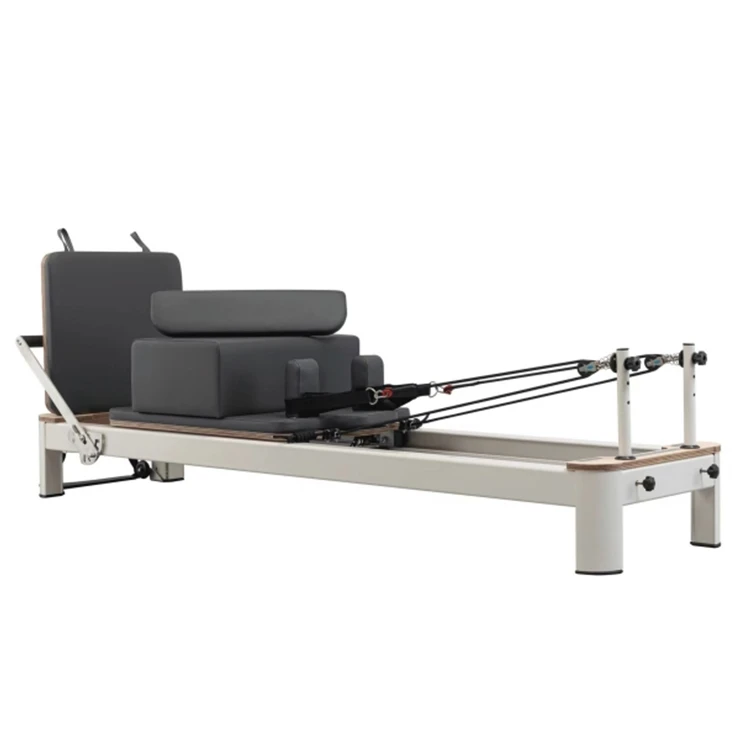
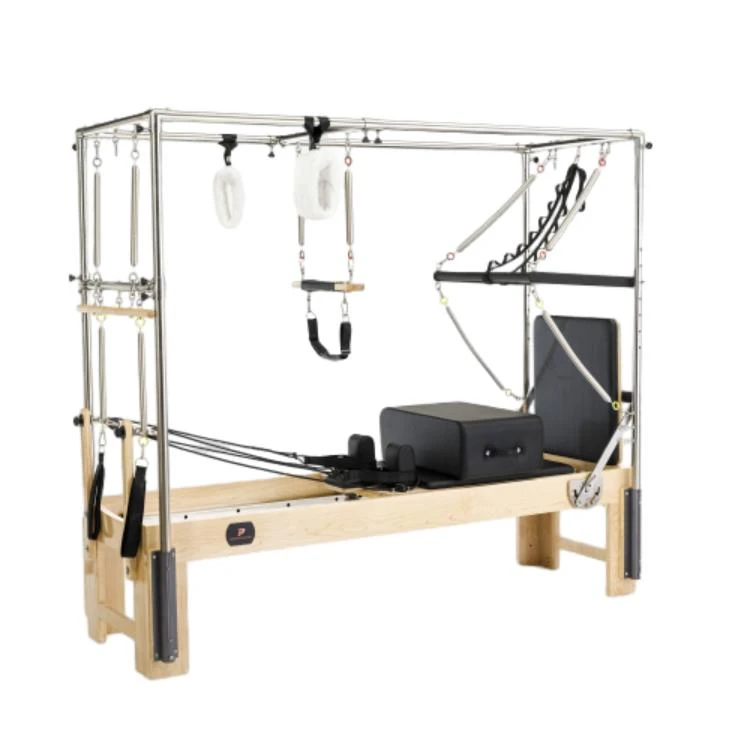
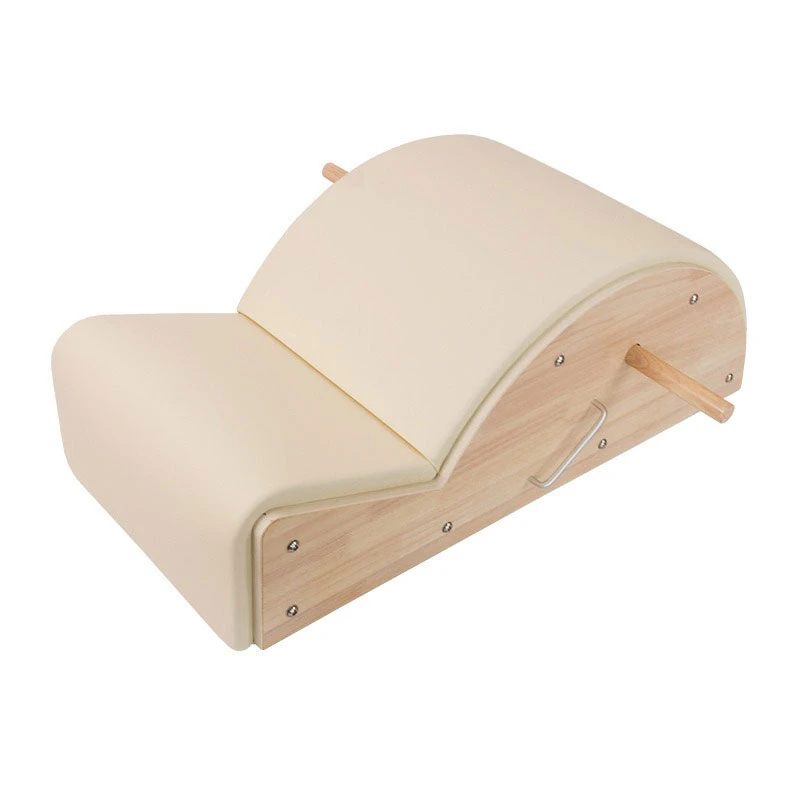
Simply put, the pilates reformer sitting box is a sturdy, adjustable box that sits on the reformer carriage. It provides a raised seat or platform for varied Pilates exercises, helping users modify movements to increase or decrease difficulty, or to better isolate muscle groups. Think of it as the Swiss Army knife of Pilates accessories—compact but useful for improving posture, stability, and control during sessions.
Its design and application link closely with modern fitness industry's push towards personalized workouts and rehabilitation programs. Not only does it help recreate natural movement patterns safely, but it also addresses the humanitarian need to offer inclusive and adaptable fitness solutions for people with mobility challenges or recovering from injury.
Core Components That Make a Pilates Reformer Sitting Box Effective
1. Durability
Constructed typically from solid hardwood or high-quality composite materials, the sitting box resists wear from constant movement and weight shifts. Many users report that a cheap or flimsy box diminishes the reformer experience, leading to unsafe practices.
2. Size and Adjustability
Boxes come in various heights and widths—some models stack to form taller platforms. This scalability means the box can cater to users from petite to tall, and exercises from beginner to advanced.
3. Surface Texture
A non-slip surface is vital; otherwise, frustration (and risk) kicks in. Many sitting boxes feature a vinyl or rubberized coating, balancing grip with comfort.
4. Portability
Oddly enough, despite being a fixed studio piece, many Pilates instructors favor lightweight boxes that can be moved or stored easily to keep studios flexible and organized.
5. Design Aesthetics
It sounds trivial, but a sleek, visually calming design aids client confidence and studio professionalism. The box isn’t just equipment; it’s part of the ambiance.
Mini Takeaway:
The Pilates reformer sitting box marries solid build quality with thoughtful design to marry user safety, comfort, and refined practice—kind of like a quiet assistant in every workout.
Global Applications and Use Cases
This humble box has traveled far beyond boutique studios in New York or London. In rehabilitation centers in Germany, it supports post-surgery patients relearning limb control. In schools in Australia, it helps kids with motor challenges engage in gentle exercise tailored to them. Even some elite sports teams in Japan use it for fine-tuned core training.
Take remote health clinics in Scandinavia: limited space and equipment force practitioners to rely on adaptable tools like the sitting box to modify workouts for diverse health needs. Or in post-disaster relief zones, where physical therapy equipment must often double for multiple uses, the sitting box’s versatility is invaluable.
Comparing Popular Pilates Reformer Sitting Boxes
| Feature | ProWood Box | FlexiFit Box | BalancePro Box |
|---|---|---|---|
| Material | Hardwood with varnish | Molded plastic composite | Eco-friendly bamboo laminate |
| Weight | 4.5 kg | 3.2 kg | 5.0 kg |
| Height options | 3", 6", 9" | 5", 8" | 4", 7", 10" |
| Non-slip surface | Vinyl grip coating | Textured plastic | Rubberized eco-coating |
| Price range | $80–$120 | $60–$90 | $100–$140 |
Advantages and Long-Term Value
In the long run, investing in a good pilates reformer sitting box pays off in improved student retention, reduced injury rates, and expanded exercise possibilities. From a sustainability perspective, many boxes now use eco-conscious materials that align with green certification standards—so they’re kinder to the planet.
Emotionally, clients often tell instructors that the box gives them confidence—a literal platform to support them when they feel unsure or new to Pilates. The trust built around a sturdy, reliable piece of equipment quietly inspires safer, more engaged practice.
Future Trends to Watch
Looking ahead, the pilates industry anticipates innovations such as:
- Smart materials: Anti-microbial, self-cleaning surfaces that maintain hygiene with less maintenance.
- Modular design: Boxes that fold or adjust shape dynamically to save studio space.
- Digital integration: Sensors embedded to provide real-time feedback on user positioning or pressure distribution.
- Sustainability advancements: Biodegradable components and carbon-neutral manufacturing.
While none of these are mainstream yet, the trend toward tech-enhanced wellness means we’re not far off.
Challenges and Practical Solutions
One big hurdle: many Pilates studios still rely on outdated, heavy boxes that limit quick adaptability between clients. To tackle this, top instructors recommend combining a few versatile boxes to cover multiple sizes and exercises instead of a one-size-fits-all approach.
Another challenge is transport for mobile Pilates or pop-up classes. Some creatives now design lightweight composite boxes that can be disassembled, striking a balance between sturdiness and portability.
Frequently Asked Questions About Pilates Reformer Sitting Box
- What sizes of pilates reformer sitting boxes are most common?
- Most common sizes range from about 3 inches to 10 inches in height, allowing exercises to be modified for comfort or challenge. The width and length typically fit standard reformer carriages but can vary slightly depending on manufacturer. Adjustable or stackable boxes offer the most flexibility.
- Can beginners use the sitting box safely without supervision?
- Yes, but it’s best under guidance at first. The sitting box helps promote correct posture and alignment, but wrong positioning can cause strain. Pilates certification programs emphasize teaching proper use to avoid injury.
- Are sitting boxes compatible with all pilates reformer brands?
- Almost all sitting boxes fit major reformer brands, but it’s wise to check measurements. Some boxes are universal, while others are designed specifically to work seamlessly with certain reformers.
- How do I clean and maintain the sitting box?
- Routine cleaning with a mild detergent and soft cloth keeps surfaces grime-free. Avoid harsh chemicals that degrade grip surfaces. Periodic inspection for cracks or wear ensures safety over time.
- Is the pilates reformer sitting box suitable for physical therapy?
- Absolutely. Its adjustable height and stable surface support various rehabilitation exercises—from stroke recovery to joint mobility improvement—making it a staple in many therapy clinics worldwide.
Conclusion: Elevate Your Pilates Experience
The pilates reformer sitting box is much more than a simple support tool; it’s a subtle game-changer for anyone serious about Pilates, whether at home, in studio, or clinical settings. Its design nuances address several challenges, from accommodating different body types to advancing therapy outcomes—proving that fitness innovation often lies in the quiet details.
Ready to explore the ideal sitting box for your Pilates reformer setup? Don’t hesitate to check out our collection at pilates reformer sitting box — your next session deserves it.
References
Latest news
-
Professional Pilates Cadillac Reformer for Sale and Buyer GuideNewsApr.16,2026
-
Professional Guide to Finding the Best Pilates Cadillac for SaleNewsApr.09,2026
-
Find the Perfect Cadillac Reformer Combo for Sale and Elevate Your Pilates PracticeNewsApr.07,2026
-
Choosing the Ideal Wooden Pilates Reformer Machine for Your Fitness JourneyNewsApr.04,2026
-
Choosing the Right Wooden Pilates Equipment for Studio and Home UseNewsMar.31,2026
-
Understanding the Versatility and Benefits of the Wood Reformer for PilatesNewsMar.28,2026
- Address
- Room 1601, 1302, Building A, Zijingguandi, Qiaodong District, Xingtai City, Hebei Province, China
- Sandra@raetin.com
- Phone
- +86 18231139331