
Core Body Reformer Price Guide 2024 | Quality & Comparisons
Core Body Reformer Price: What to Expect and Where It Stands in 2024
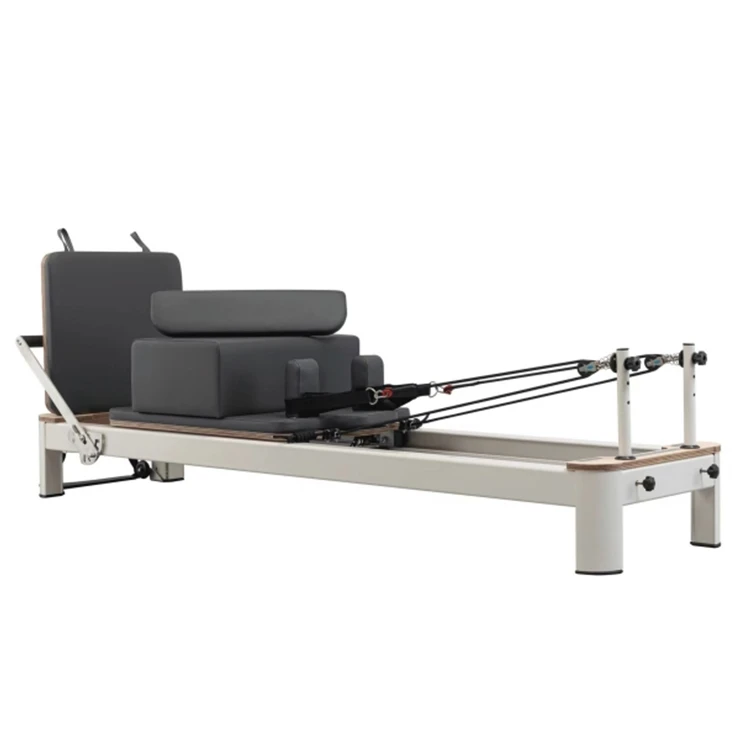
Having spent more than a decade around industrial and fitness equipment, I’ve seen quite a few “core reformers” cross my path. The core body reformer price often perplexes beginners and seasoned buyers alike—because it’s not just about the number stamped on a tag, but also what you’re really getting for your investment.
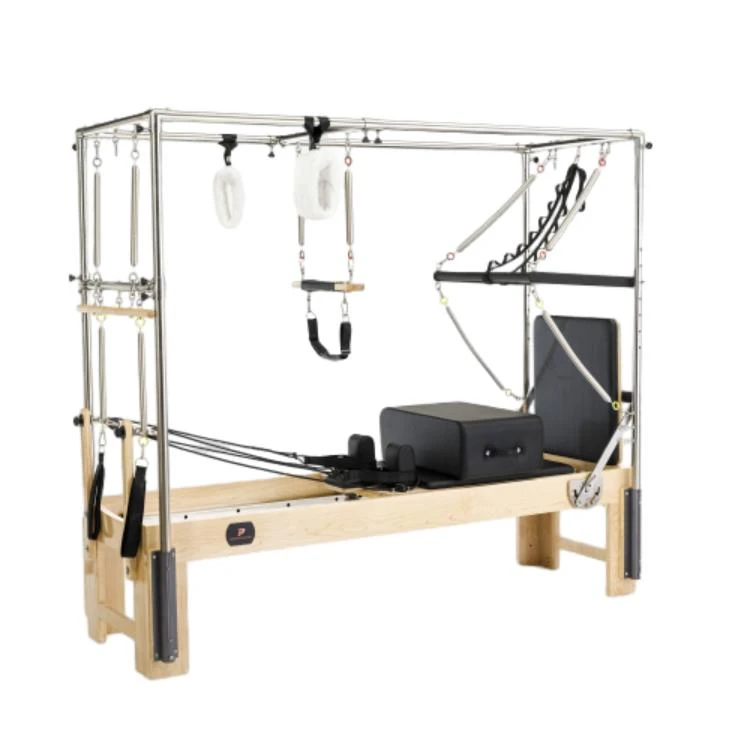
Frankly, the core body reformer market has matured considerably. Once these machines were quirky, luxury items exclusive to boutique studios or rehab centers. Now, there’s a surge of models designed with customizable resistance springs, reinforced aluminum frames, and modular attachments that strike a balance between durability and affordability.
From a materials perspective, many manufacturers today prioritize powder-coated steel or corrosion-resistant alloys—key if you’re using the reformer in humid environments or clinical settings. I recall one instance inspecting a reformer that had maintained near-perfect tension and structural integrity after 3 years of almost daily usage in a busy studio—proof that build quality still reigns supreme in determining ongoing value.
Testing protocols vary, but reputable companies typically run endurance cycles simulating thousands of repetitions to ensure stability and smooth gliding. This isn’t just about comfort, but safety too—especially when clients with mobility issues rely on flawless operation. It always surprises me how many cheap reformers skip these steps, which reflects in their pricing.
Speaking of price, the typical range for mid-tier core body reformers falls somewhere between $1200 and $3000. Premium units with extra features or made in North America can go north of $4000 easily. Oddly enough, many buyers overlook warranties or customer support—which I reckon is just as crucial as the machine’s specs.
Customization has become a hallmark selling point. You’ll find options like adjustable foot bars, upgraded springs, and even digital trackers that integrate workout data. For small studios or personal trainers aiming for versatility, these add-ons justify spending a bit more upfront.
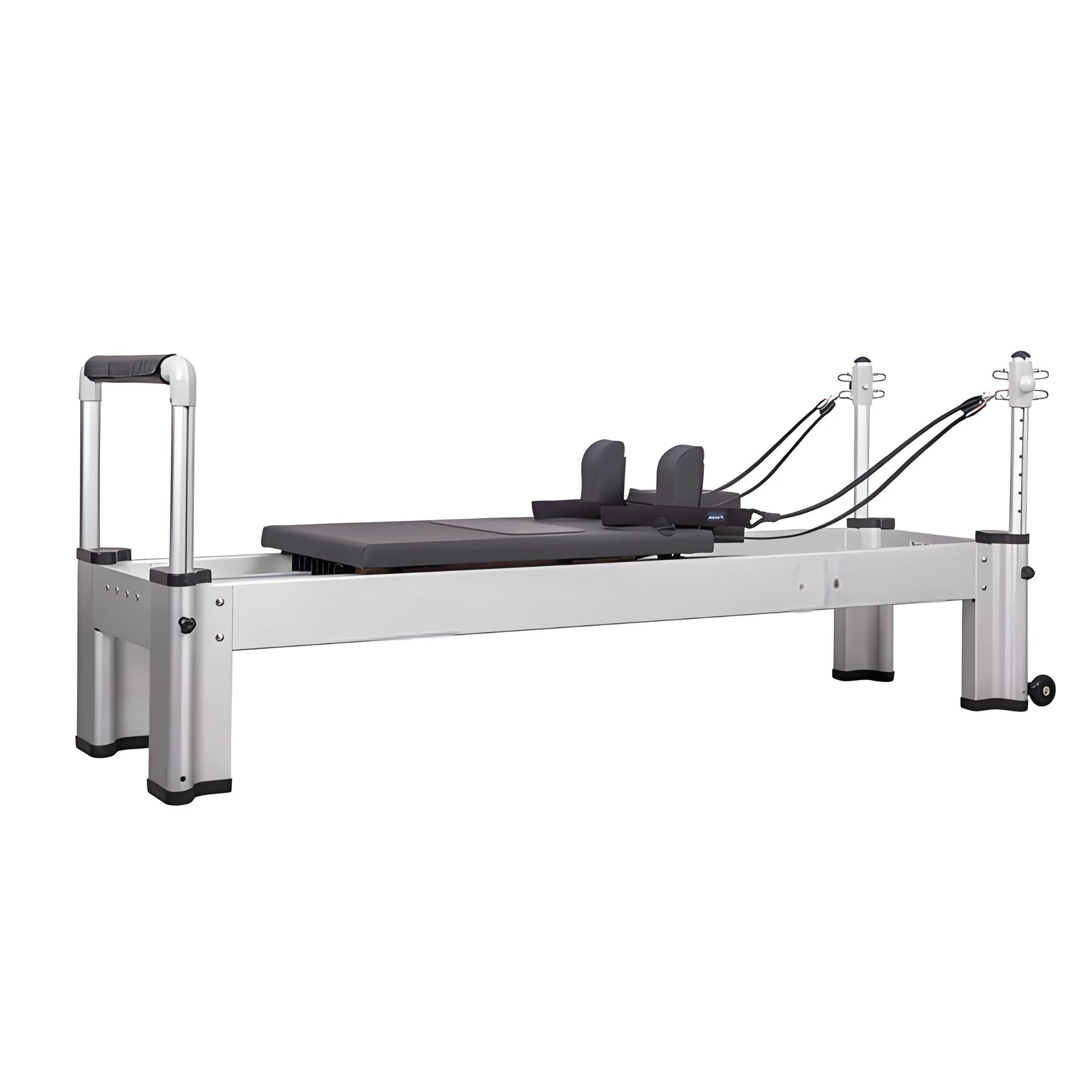
Here’s a quick snapshot of a popular mid-range core body reformer specs I’ve handled recently:
| Feature | Specification |
|---|---|
| Frame Material | Powder-coated steel |
| Dimensions | 84" x 28" x 14" |
| Weight Capacity | 350 lbs |
| Spring Resistance Levels | 5 adjustable springs (light to heavy) |
| Accessories Included | Adjustable foot bar, headrest, shoulder rests |
Now, if you’re shopping around, the price tag alone won’t paint the full picture. To help sort through the noise, here’s a simplified vendor comparison focused on value, durability, and support:
| Vendor | Price Range | Warranty | Build Quality | Customer Support |
|---|---|---|---|---|
| Pilatesports | $1400–$2500 | 5 Years Frame | Professional Grade | Excellent responsiveness |
| ReformX | $1200–$2200 | 3 Years | Good | Standard |
| FlexEquip | $1600–$3000 | 7 Years Frame | Premium | Good but slower |
An interesting little nugget: a client of mine who runs a boutique Pilates studio shared that investing a bit extra in higher-quality reformers from Pilatesports paid off within a year. Their low maintenance and reliable performance allowed her to focus more on clients than repairs—a subtle but important factor in long-term cost effectiveness.
In real terms, I always advise balancing your budget with what kind of usage you expect and how important customer support and warranty coverage are. You can save a few hundred bucks upfront, but the machine might need part replacements or adjustments sooner than you'd like. On the other hand, a slightly higher-priced model backed by solid service can feel like a wise investment—even if it takes a little time to fully appreciate.
Overall, the core body reformer price landscape is set to stay competitive, with improving quality standards—so it’s worth doing your homework and possibly reaching out to vendors directly. Engineers and trainers alike tend to agree that the best machines blend sturdiness, comfort, and adaptable resistance into one neat package.
It feels like we’re in a good spot now, where the technology and materials are within reach for both pro studios and serious home users. If you can, always try before you buy to get a feel for the reformer’s rails and springs. It’s those little things that ultimately add up to a better experience.
Happy searching—and remember, investing in quality gear tends to pay dividends over time in both client satisfaction and your own peace of mind.
References:
1. Pilates Sports official product info and specifications
2. Industry reviews on reformer durability and warranty comparisons (2023–2024)
3. Personal client case studies and field notes from 2015–2024
Latest news
-
Professional Pilates Cadillac Reformer for Sale and Buyer GuideNewsApr.16,2026
-
Professional Guide to Finding the Best Pilates Cadillac for SaleNewsApr.09,2026
-
Find the Perfect Cadillac Reformer Combo for Sale and Elevate Your Pilates PracticeNewsApr.07,2026
-
Choosing the Ideal Wooden Pilates Reformer Machine for Your Fitness JourneyNewsApr.04,2026
-
Choosing the Right Wooden Pilates Equipment for Studio and Home UseNewsMar.31,2026
-
Understanding the Versatility and Benefits of the Wood Reformer for PilatesNewsMar.28,2026
- Address
- Room 1601, 1302, Building A, Zijingguandi, Qiaodong District, Xingtai City, Hebei Province, China
- Sandra@raetin.com
- Phone
- +86 18231139331