
Comprehensive Guide to Pilates Core Machine - Benefits, Features & Future Trends
Pilates Core Machine: Your Gateway to Strength and Stability
If you've ever stepped into a Pilates studio or browsed fitness equipment online, chances are you’ve come across the pilates core machine. But what exactly is it, and why does it matter—not just for personal health but on a broader scale? Well, it’s not just about tone and strength; it’s about how this humble piece of equipment is helping people worldwide build resilience, enhance posture, and manage overall well-being. Given the rising global focus on preventive health and rehabilitation, understanding the pilates core machine’s role is surprisingly relevant and empowering.
Global Context: Why Pilates Core Machines Matter More Than Ever
Globally, musculoskeletal conditions affect over 1.7 billion people — that’s according to research compiled by the World Health Organization (WHO). Many of these conditions stem from weak core muscles, poor posture, or sedentary jobs. In the modern landscape, remote work and reduced physical activity are adding to the issue. Pilates, which has evolved since the early 20th century, directly addresses these problems by combining deep muscle strengthening and mindful movement.
The pilates core machine embodies this approach with mechanical enhancements that allow targeted, controlled resistance training. Plus, with fitness industries projected to grow by 8% annually worldwide (World Bank estimates), it’s clear that these machines fulfill a growing demand for accessible, effective core training — vital for injury prevention and rehabilitation.
Defining the Pilates Core Machine
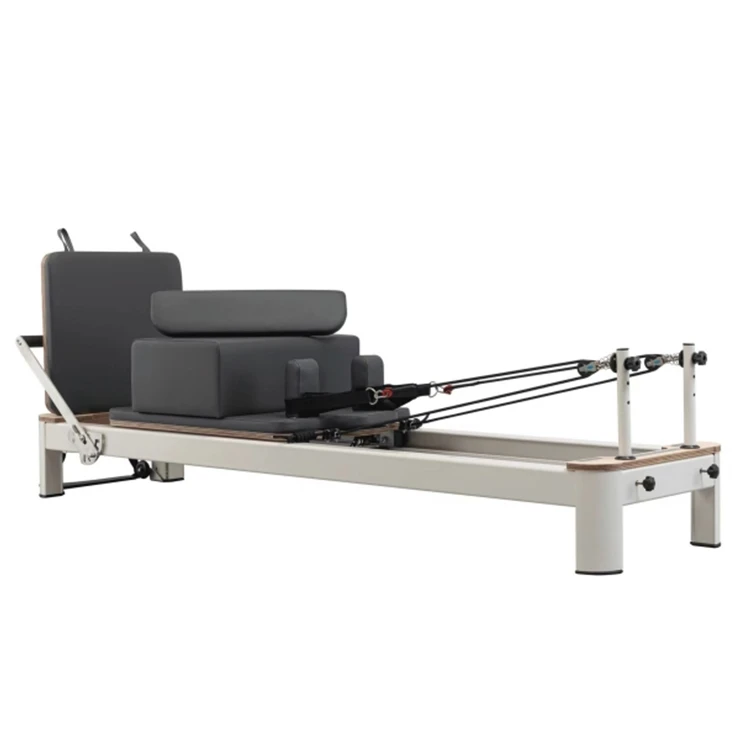
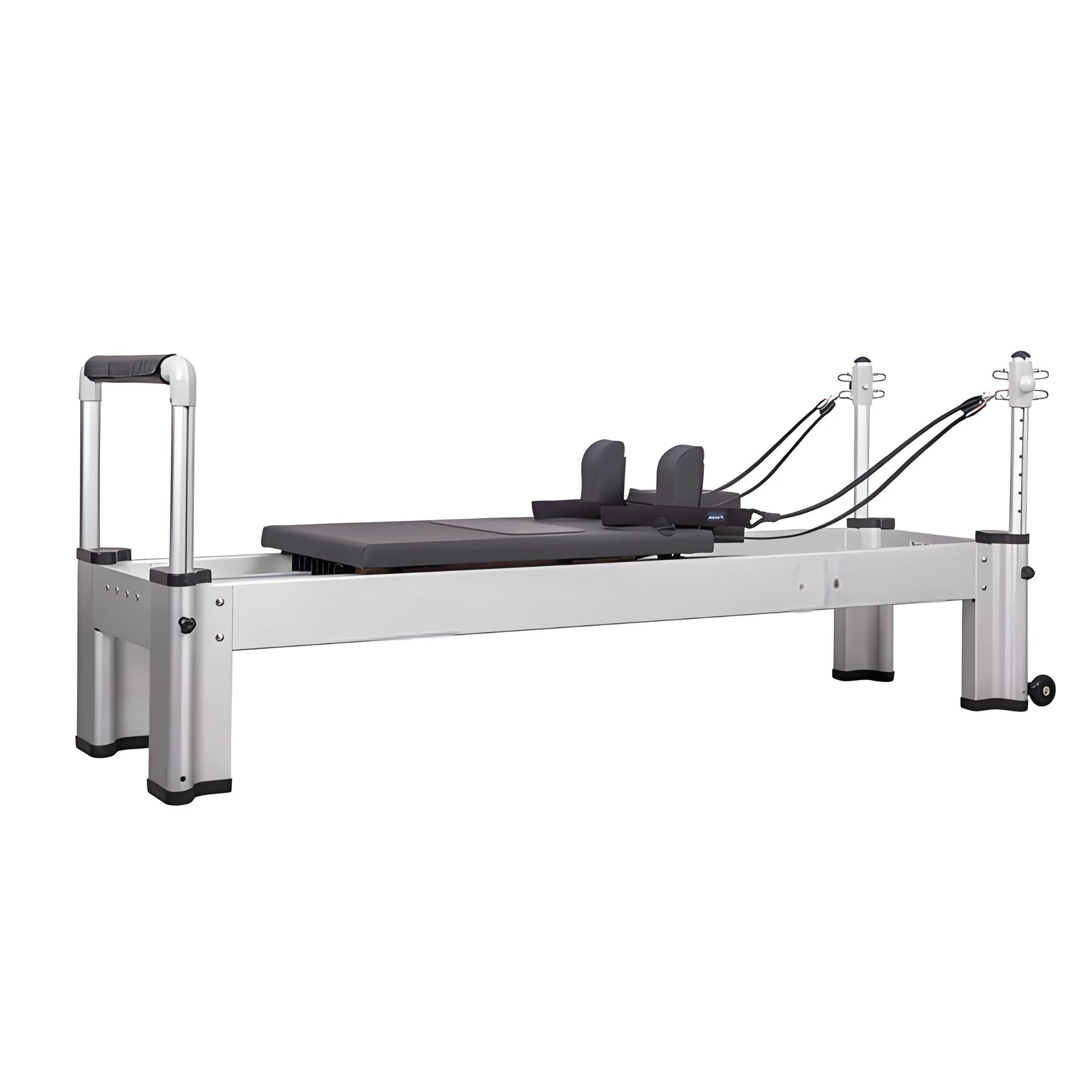
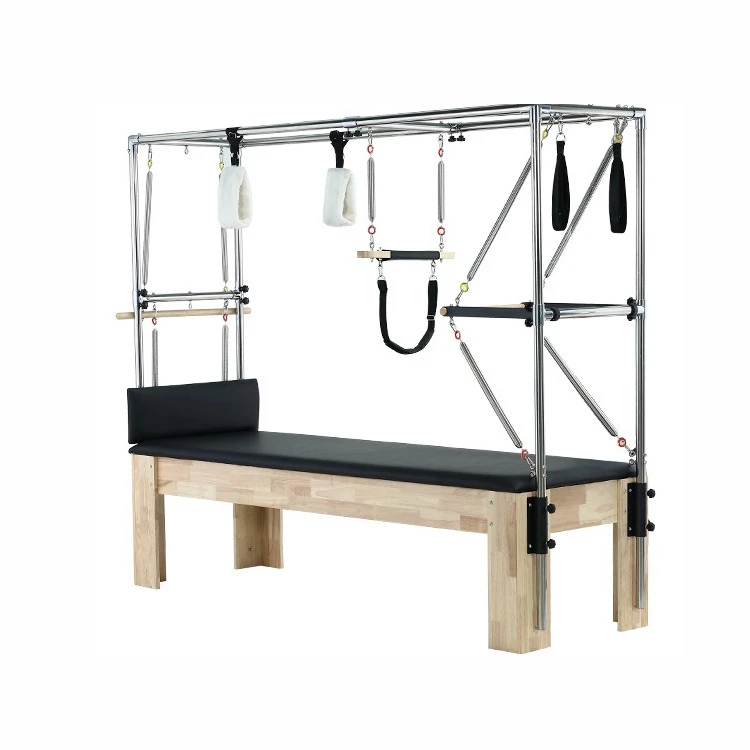
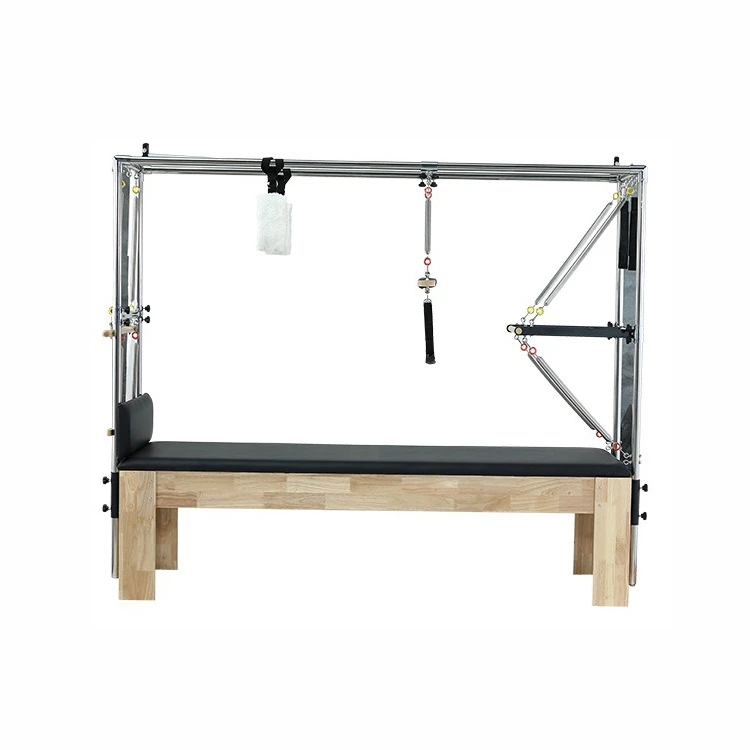
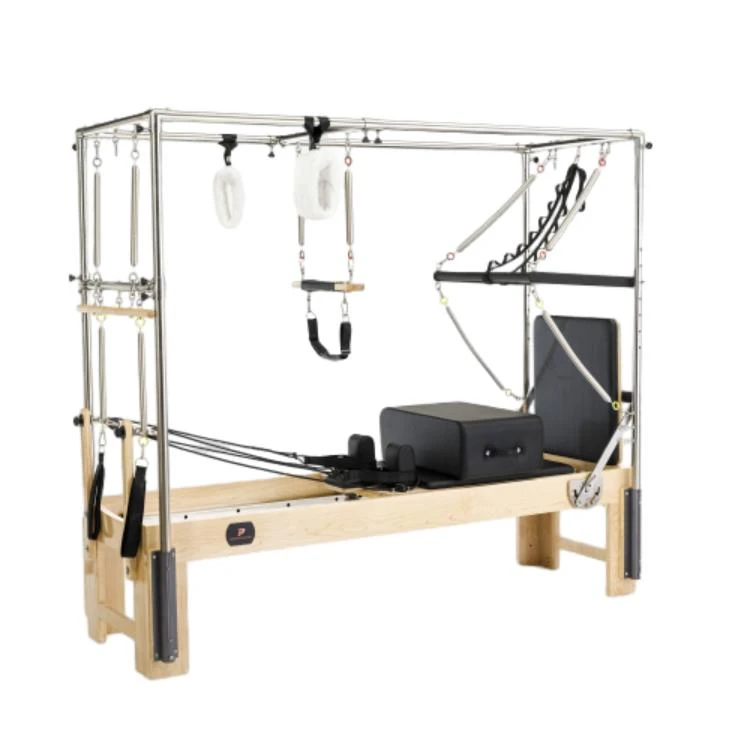
Simply put, a pilates core machine is a specialized apparatus—often spring-loaded or lever-based—that is designed to facilitate focused core muscle workouts. Popularized by pioneering Joseph Pilates, these machines, such as the famed reformer or the cadillac, assist users in performing low-impact, adaptable resistance exercises.
But it’s more than just fitness equipment. In physiotherapy centers, rehabilitation clinics, and even occupational therapy, the pilates core machine plays a crucial role in restoring muscular balance and mobility. It’s a beautiful blend of industry-grade engineering and mindful movement principles.
Key Components of a Pilates Core Machine
1. Durability and Build Quality
Since these machines take the brunt of repeated tension and dynamic movements, manufacturers favor sturdy materials—usually steel or reinforced aluminum frames combined with high-grade springs and upholstery. This ensures stability and longevity, which users and clinics alike value.
2. Adjustable Resistance Mechanism
The heart of every pilates core machine is its resistance system. Springs or cables often provide customizable tension, which can be fine-tuned to a user’s strength and therapy goals.
3. Ergonomic Design
Because Pilates focuses on precision and alignment, these machines feature padded platforms, adjustable foot bars, and handles to support proper form and comfort.
4. Versatility
Many pilates core machines support a wide range of exercises targeting multiple muscle groups beyond the core—like legs, arms, and back—which gives them impressive functional appeal.
Product Specification Snapshot
| Feature | Specification |
|---|---|
| Frame Material | Powder-coated Steel |
| Resistance Levels | 5 adjustable springs |
| Max User Weight | 300 lbs (136 kg) |
| Dimensions (LxWxH) | 84" x 24" x 46" (213cm x 61cm x 117cm) |
| Weight | 70 lbs (32 kg) |
| Warranty | 5 years limited |
Real-World Use Cases: Who Benefits and How?
Worldwide, pilates core machines find homes in various settings. Physiotherapists in Europe swear by them for spinal rehab. In the US, boutique fitness studios include them as staples for core strengthening classes. In Asia, hospitals incorporate pilates into post-operative care, aiding faster recovery with minimal strain.
Oddly enough, they’ve even made their way into corporate wellness programs in tech hubs like Silicon Valley, where sedentary lifestyles fuel core muscle weakening. There’s also growing interest from remote and underserved communities where maintaining physical health is vital but resources are scarce—pilates core machines serve as versatile tools for both therapy and fitness.
Vendor Comparison: Top Pilates Core Machines on the Market
| Brand | Price Range | Resistance Adjustability | Warranty | Comments |
|---|---|---|---|---|
| Balanced Body | $3,500 - $4,500 | 5-7 springs | 5 years | Top-tier craftsmanship, widely used by pros |
| Merrithew | $3,000 - $4,000 | 4-6 springs | 3 years | Great for studios and clinics, ergonomic focus |
| AeroPilates | $1,200 - $1,800 | 3-5 springs | 1 year | Budget-friendly, good for beginners |
Advantages & Long-Term Value
Investing in a pilates core machine isn’t just about immediate workout gains; it translates into lasting health improvements. Reliable core strength reduces risks of injury—for instance, lower back pain, which afflicts about 540 million people worldwide (per WHO data).
Then there’s the emotional and psychological benefit: many users report feeling more centered and balanced, both literally and figuratively. The machine’s design encourages mindful movement, boosting body awareness, which improves posture and reduces fatigue.
Future Trends and Innovations in Pilates Core Machines
The future looks bright—if a bit high-tech. We’re seeing an exciting fusion of pilates principle and digital technology. Some newer pilates core machines feature smart sensors that track movement quality, provide feedback, and integrate with fitness apps. Sustainability is also driving design: eco-friendly materials, recycled steel, and non-toxic coatings are becoming more popular.
Automation, oddly enough, might not replace the human instructor but will enhance personalized training plans, even for home users. The pandemic accelerated this trend, pushing manufacturers to innovate for smaller footprints and portable versions.
Challenges & Solutions
Despite its benefits, there are some hurdles. High upfront costs and space requirements often limit access to quality machines—especially in smaller clinics or home gyms. Moreover, without expert guidance, users can misuse them, risking injury.
Thankfully, solutions exist. Many companies now offer financing plans or scaled-down models to increase affordability. Online tutorials and hybrid instructor-led sessions help users maximize benefits safely. Plus, community lending programs—quite common in urban wellness hubs—make equipment more accessible.
FAQ: Frequently Asked Questions About Pilates Core Machine
-
Q: How much space do I need to set up a pilates core machine at home?
A: Most machines require about 7 feet by 3 feet of floor space, plus clearance for movement around them. It’s ideal to have an open area with minimal obstructions to allow full range of motion. -
Q: Can beginners safely use pilates core machines without instructor supervision?
A: While possible with proper online guidance, an initial session with a certified instructor is recommended. They help with correct form and resistance settings to prevent injury and ensure effective workouts. -
Q: Are pilates core machines suitable for rehabilitation after injury?
A: Absolutely. Physical therapists frequently incorporate these machines into rehab plans for back pain, post-surgical recovery, and even neurological conditions due to their adjustability and controlled resistance features. -
Q: How often should I use a pilates core machine for optimal results?
A: For general fitness, 2-3 times per week is sufficient. Rehabilitation protocols vary but typically include multiple short sessions spaced throughout the week to build strength gradually.
Conclusion
Ultimately, the pilates core machine stands out as a trusted ally in enhancing core strength, stability, and overall wellness. More than just equipment, it embodies a philosophy of mindful movement and rehabilitation that resonates worldwide. Whether you’re a fitness professional, a physiotherapist, or simply someone looking to improve posture and prevent injury, this machine offers scalable solutions that last.
Curious to find out more or ready to bring this versatile tool into your practice or home? Visit our website: pilates core machine.
Sometimes, investing in your core feels like investing in your long-term self — and honestly, it usually pays off.
Latest news
-
Professional Pilates Cadillac Reformer for Sale and Buyer GuideNewsApr.16,2026
-
Professional Guide to Finding the Best Pilates Cadillac for SaleNewsApr.09,2026
-
Find the Perfect Cadillac Reformer Combo for Sale and Elevate Your Pilates PracticeNewsApr.07,2026
-
Choosing the Ideal Wooden Pilates Reformer Machine for Your Fitness JourneyNewsApr.04,2026
-
Choosing the Right Wooden Pilates Equipment for Studio and Home UseNewsMar.31,2026
-
Understanding the Versatility and Benefits of the Wood Reformer for PilatesNewsMar.28,2026
- Address
- Room 1601, 1302, Building A, Zijingguandi, Qiaodong District, Xingtai City, Hebei Province, China
- Sandra@raetin.com
- Phone
- +86 18231139331