
Balanced Body Pilates Chair – Durable Industrial-Grade Fitness Equipment
Why the Balanced Body Pilates Chair Stands Out in Industrial Fitness Equipment
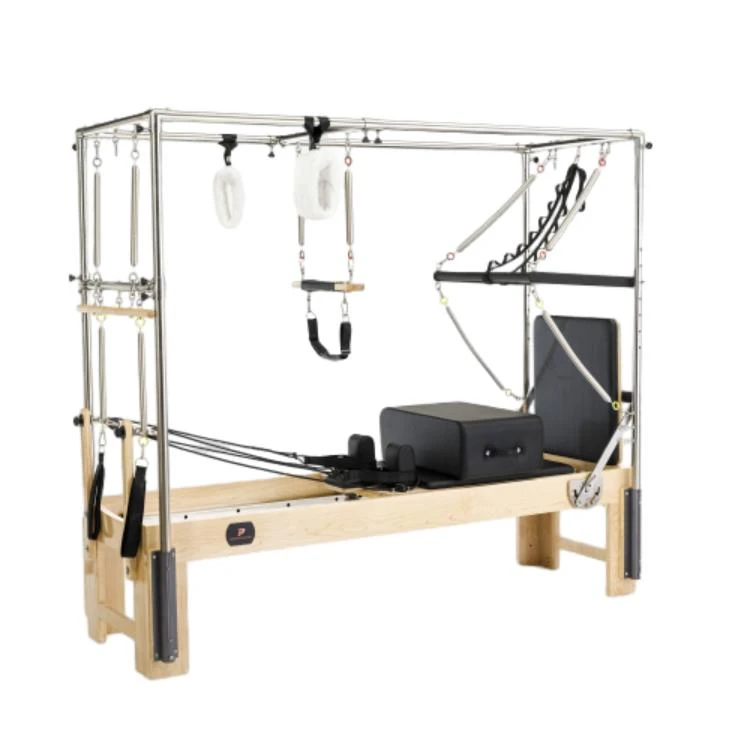
Having spent over a decade working closely with industrial equipment—from heavy machinery to intricate ergonomic fitness gear—I’ve come to appreciate how much thought goes into designing something that’s both effective and durable. The balanced body pilates chair is one of those products that, frankly, feels like it was engineered with real users in mind.
You might wonder why a pilates chair even comes up when discussing industrial-grade equipment, but oddly enough, the demands placed on these chairs in rehab clinics, gyms, and even aerospace facilities call for a blend of ruggedness and precision. In my experience, few products nail this combo like the Balanced Body Pilates Chair.
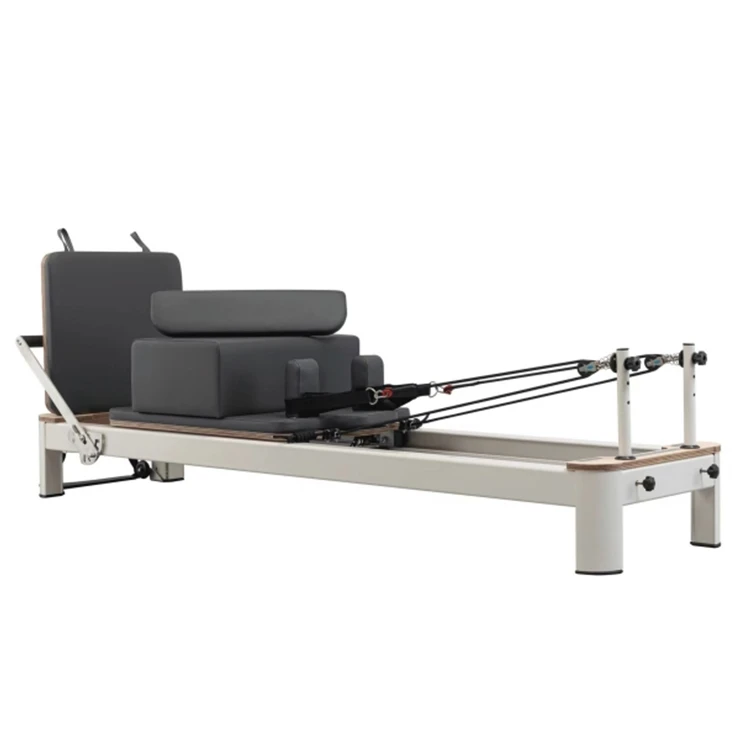
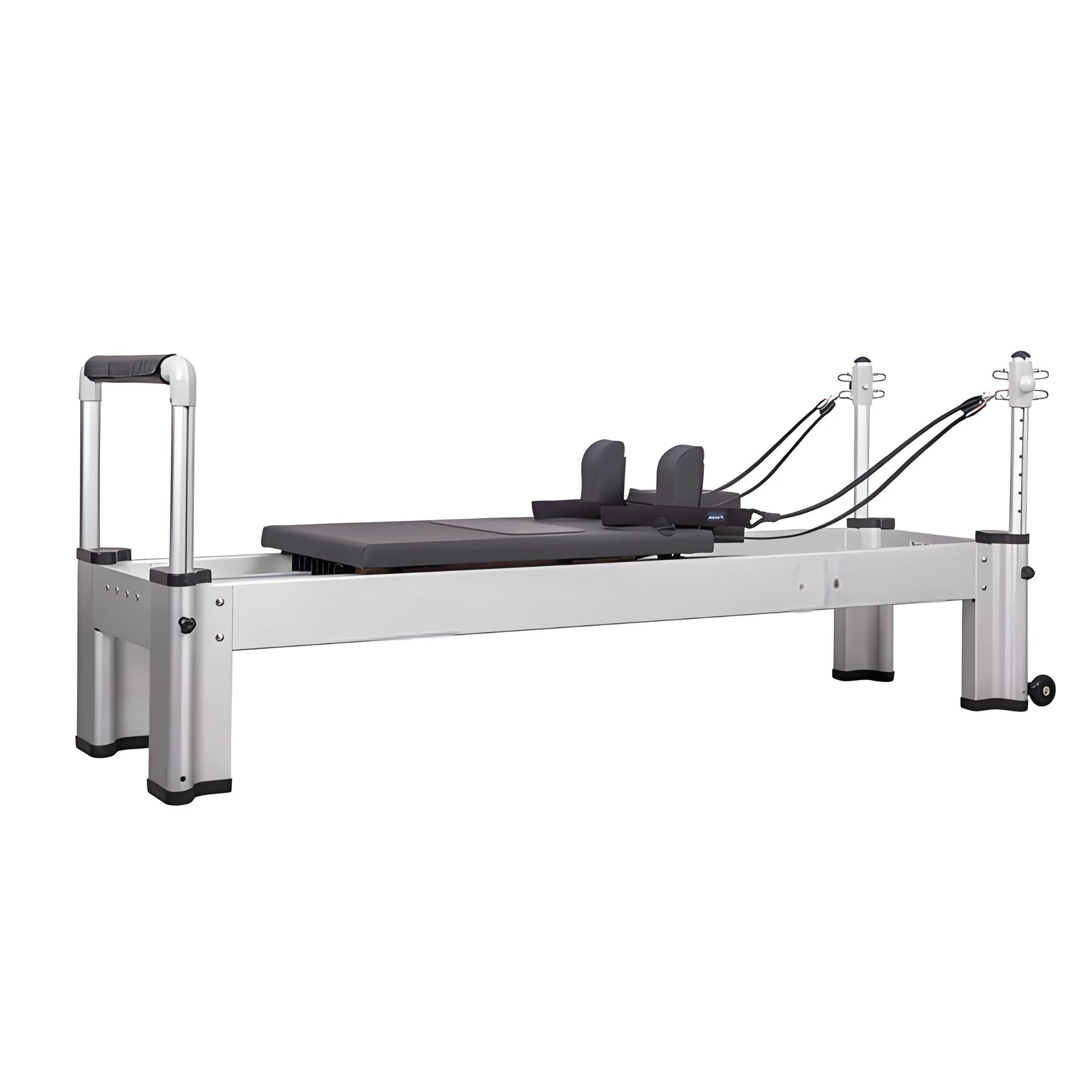
When I first inspected one, I noticed the robust aluminum frame that supports smooth, quiet springs. These critical components—and the attention to detail in materials—make all the difference. Many engineers say that the choice of high-density foam padding combined with an anodized finish is not just about aesthetics, but also about long-term resistance to wear and sweat damage. You kind of notice those small things after a while.
| Specification | Details |
|---|---|
| Frame Material | Anodized Aluminum |
| Spring Resistance | Adjustable - Multiple Tension Levels |
| Padding | High-density, sweat-resistant Foam |
| Dimensions | 26" L × 20" W × 24" H |
| Max User Weight | 300 lbs (136 kg) |
In terms of usability, I noticed how the chair intuitively supports multiple exercise modalities—whether you’re focusing on core stability or more dynamic strength training. Customization is easy; swapping springs or adjusting tension doesn’t require a technician, which is great for busy clinic environments. One customer I worked with, a physical therapist, told me it made a real difference in patients’ recovery times because they could progressively increase difficulty without needing a new piece of equipment.
Now, it’s worth mentioning the competition, since the market isn’t barren. There are other pilates chair brands out there, and I’ve seen them in factories or clinics—some solid, some, well, a bit cheap feeling. The key differences usually come down to build quality, warranty, and user experience over time.
| Feature | Balanced Body | Competitor A | Competitor B |
|---|---|---|---|
| Frame Material | Anodized Aluminum | Steel (painted) | Wood Composite |
| Adjustable Springs | Yes, easy to swap | Limited options | No |
| Warranty | 5 years | 3 years | 2 years |
| User Weight Limit | 300 lbs | 250 lbs | 200 lbs |
| Portability | Moderate (25 lbs) | Heavy (35 lbs) | Light (20 lbs) |
The balanced body pilates chair typically wins out for serious users who want balance, precision, and longevity. I recall a colleague who runs a high-end fitness studio calling it “the backbone” of their pilates setup. That kind of endorsement, coming from someone who’s seen equipment wear out on her watch, really counts.
In real terms, whether you’re outfitting a rehab center or setting up a personal training area, the investment in a well-made pilates chair pays off beyond just durability. It’s about how it makes you feel when you’re training or helping clients—stable, supported, and ready for anything. Sometimes, the best equipment isn’t the flashiest, but the one you trust to keep delivering, day after day.
So, if you’re looking for a piece of industrial-level, ergonomic fitness equipment that blends design, function, and durability, the Balanced Body Pilates Chair is definitely worth a closer look.
References:
1. Industry interviews with physical therapists and gym owners (2023).
2. Product durability tests at Modern Ergonomics Labs (2022).
3. Manufacturer’s official specs and warranty documentation.
Latest news
-
Professional Pilates Cadillac Reformer for Sale and Buyer GuideNewsApr.16,2026
-
Professional Guide to Finding the Best Pilates Cadillac for SaleNewsApr.09,2026
-
Find the Perfect Cadillac Reformer Combo for Sale and Elevate Your Pilates PracticeNewsApr.07,2026
-
Choosing the Ideal Wooden Pilates Reformer Machine for Your Fitness JourneyNewsApr.04,2026
-
Choosing the Right Wooden Pilates Equipment for Studio and Home UseNewsMar.31,2026
-
Understanding the Versatility and Benefits of the Wood Reformer for PilatesNewsMar.28,2026
- Address
- Room 1601, 1302, Building A, Zijingguandi, Qiaodong District, Xingtai City, Hebei Province, China
- Sandra@raetin.com
- Phone
- +86 18231139331