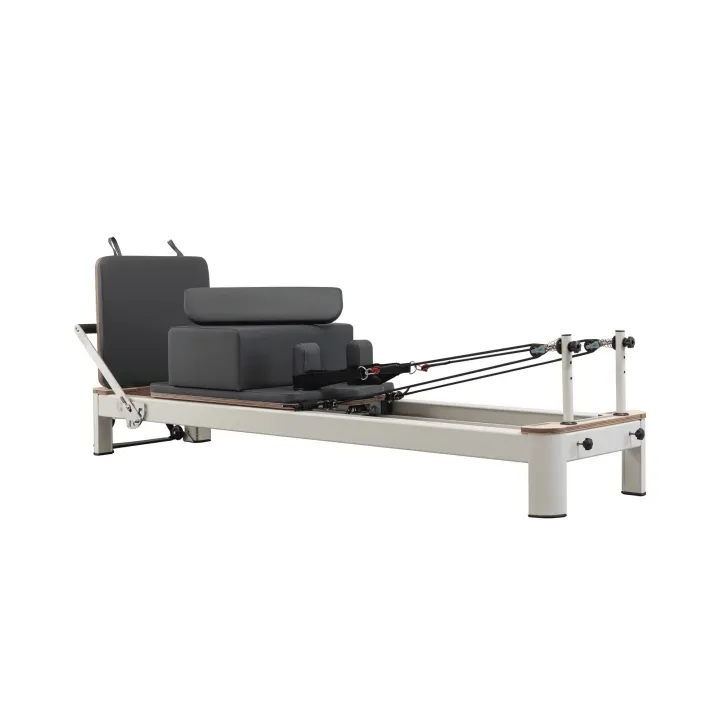
Professional Pilates Reformer Buy Guide for Studio Equipment
Establishing a high-performance Pilates environment requires more than just space; it demands precision-engineered apparatus that can withstand the rigors of daily studio use while providing an intuitive experience for the practitioner. Whether you are a studio owner expanding your facility or a dedicated practitioner designing a home sanctuary, the decision to invest in professional-grade equipment hinges on the balance between material durability, resistance accuracy, and ergonomic design. High-quality equipment serves as the bridge between a client's current physical state and their fitness goals, offering the necessary stability and challenge to refine core strength and flexibility.
For those looking to pilates reformer buy options, the focus often shifts toward the technical specifications of the carriage, the quality of the spring systems, and the sustainability of the frame materials. By integrating studio-grade components—such as reinforced maple wood or imported 304 steel springs—operators can ensure a lower total cost of ownership through reduced maintenance and prolonged equipment lifespan. Understanding these nuances is essential for achieving a professional standard of instruction and ensuring user safety across various fitness levels.

Engineering Excellence in Pilates Apparatus Construction
The structural integrity of a Pilates machine is defined by its material composition. In professional manufacturing, the choice of wood is not merely aesthetic but functional. Hardwoods such as birch, oak, and beechwood are preferred for their high density and resistance to warping under tension. Specifically, the use of high-grade maple from GLC ensures that the frame remains stable even in environments with varying humidity, providing a secure foundation for high-intensity movements.
Beyond the frame, the resistance mechanism is the heart of the machine. The implementation of 304 imported springs is critical for consistent tension and longevity. Unlike standard steel, 304 stainless steel resists corrosion and maintains its elastic memory, ensuring that the resistance levels remain accurate over thousands of cycles. This precision is what allows instructors to fine-tune the difficulty of an exercise to meet the exact needs of a client's rehabilitation or strengthening program.
To complete the user experience, upholstery choices must balance comfort with hygiene. High-quality synthetic leathers are utilized to provide a non-slip surface that is easy to sanitize between sessions. This attention to detail—from the raw maple wood to the final stitch of the upholstery—creates a product that meets CE certification standards, guaranteeing safety and performance in any global market.

Versatile Application Scenarios for Professional Pilates Equipment
Professional Pilates equipment is designed to be adaptable across diverse wellness environments. In commercial Pilates studios, the primary requirement is durability and versatility. Apparatus must be capable of handling a high volume of clients with varying body types and strength levels. The ability to quickly adjust resistance and configuration allows instructors to transition between different clients efficiently, maximizing the studio's hourly throughput.
In physical therapy and rehabilitation centers, the focus shifts toward precision and support. Equipment like the Pilates Chair or Reformer is used to facilitate controlled movements that rebuild joint stability and muscle strength without overstressing the body. The stability provided by hardwoods and the smooth glide of the carriage are essential for patients recovering from injury, where sudden jerks or equipment instability could hinder progress.
For the premium home gym, space optimization becomes a key factor. Compact yet full-featured designs allow homeowners to achieve studio-grade results without occupying excessive square footage. Whether it is a space-saving chair or a combined tower reformer, the goal is to bring the clinical precision of a professional studio into a residential setting, promoting long-term health and wellness through consistent practice.
The Strategic Process of Customizing Pilates Apparatus
Customization is where technical capability meets user preference. A tailored approach ensures that the equipment aligns perfectly with the instructor's methodology and the studio's branding. The process begins with an Initial Consultation, where the specific goals—such as target client demographic or available space—are identified. This is followed by Design and Configuration, where material choices (such as oak vs. beech) and upholstery colors are selected to match the interior design of the facility.
The transition to Manufacturing and Assembly involves strict adherence to engineering blueprints. Every joint is reinforced, and every spring is calibrated to ensure the machine operates silently and smoothly. This phase is critical for maintaining the high standards required for CE certification, ensuring that the customized product is as safe as a standard model.
The final and most crucial step is Quality Assurance and Testing. Before shipping, each piece of equipment undergoes rigorous functional inspections. This includes testing the carriage glide, verifying spring tension consistency, and inspecting the finish of the wood. For bulk orders, such as those exceeding 1,000 units, this systematic quality control ensures that every single unit arriving at the customer's door maintains the same professional standard.
Technical Selection Matrix for Pilates Equipment
| Material Component | Professional Standard | Performance Benefit | Recommended Use |
|---|---|---|---|
| Frame Wood | GLC Maple / Oak | High Warp Resistance | High-Traffic Studios |
| Resistance Springs | 304 Imported Steel | Consistent Tension | Clinical Rehab |
| Upholstery | High-Grade Vegan Leather | Easy Sanitization | Commercial Centers |
| Certification | CE Certified | Safety Guaranteed | EU/Global Markets |
| Production Line | Industrial Grade | Standardized Quality | Bulk Procurement |
Evaluating Supplier Capabilities for Large-Scale Procurement
When procuring equipment for a chain of studios or a distribution network, the supplier's manufacturing depth is a primary risk factor. A reliable partner must possess an integrated production chain, from raw material sourcing to final packaging. The ability to operate multiple production lines—capable of producing hundreds of units daily—indicates a level of scalability that can prevent delivery bottlenecks during peak expansion phases.
Quality control must be systemic rather than sporadic. This involves strict inspection procedures at every stage: raw material arrival, precision processing, assembly, and final functional testing. A supplier that uses exclusive high-quality materials, such as specifically sourced GLC maple rather than generic market wood, demonstrates a commitment to product longevity that reduces the frequency of replacement and warranty claims.
Furthermore, after-sales support is a critical component of the procurement equation. A professional technical team capable of providing 24/7 solutions ensures that any technical issues are resolved quickly, minimizing downtime for the studio. For international buyers, the use of reinforced packaging—including professional cartons and pallets—is non-negotiable to ensure that equipment arrives in perfect condition despite long-distance shipping.
Future Trends in Professional Fitness Equipment Design
The fitness industry is moving toward a hybrid of traditional craftsmanship and modern ergonomics. We are seeing a trend where "studio-grade" is no longer just about strength, but about the "feel" of the movement. This is leading to more sophisticated spring configurations and the use of materials that provide a quieter, more fluid glide, enhancing the mindfulness aspect of the Pilates practice.
Sustainability is also becoming a core requirement for B2B buyers. The shift toward sustainably sourced hardwoods and eco-friendly upholstery is driven by both consumer demand and environmental regulations. Suppliers who can provide transparent sourcing for their maple and oak components will have a competitive advantage in the EU and North American markets.
Additionally, the integration of functional versatility—such as reformers that can easily transition into towers or chairs—is helping studio owners maximize their revenue per square foot. As the industry evolves, the most successful equipment will be those that offer professional-grade resistance and durability while remaining adaptable to the ever-changing needs of the fitness practitioner.
Professional Procurement Frequently Asked Questions
What are the primary differences between residential and studio-grade Pilates equipment?
Studio-grade equipment is engineered for high-frequency use, featuring denser hardwoods like GLC maple and heavy-duty 304 imported springs. Residential models often use softer woods and lighter springs which lack the durability and tension consistency required for professional instruction and long-term commercial use.
How does the choice of wood affect the longevity of a Pilates chair or reformer?
Hardwoods such as maple, oak, and beech provide superior structural stability and resistance to warping. Using specific high-quality sources, like GLC maple, ensures the frame can withstand the mechanical stress of spring tension over many years without losing its alignment.
What certifications should I look for when buying equipment for a commercial studio?
CE certification is the gold standard for ensuring that the equipment meets health, safety, and environmental protection standards. This is critical for reducing liability and ensuring that the product is safe for diverse users in a professional environment.
Can the resistance levels be customized during the manufacturing process?
Yes, through a professional customization process, you can specify the spring configuration and resistance levels to match your specific teaching methodology. This typically occurs during the design and configuration phase before assembly begins.
How is the equipment protected during international shipping to avoid damage?
Professional suppliers utilize a combination of high-strength cartons and industrial pallets. This ensures that the heavy wooden frames and precision components are immobilized and protected from impact during sea or air freight.
What maintenance is required for wooden Pilates equipment to ensure its lifespan?
Regular inspection of the spring connections and occasional cleaning of the carriage rails are essential. Using high-quality hardwoods reduces the need for structural repairs, but maintaining a stable humidity level in the studio helps prevent the wood from expanding or contracting.
Industry Technical References
- The Official Pilates Method Principles
- ISO Standards for Fitness Equipment Safety
- European Union CE Certification Guidelines
- Clinical Studies on Pilates and Physical Rehabilitation
Investing in professional Pilates equipment is a strategic decision that impacts both the quality of instruction and the long-term viability of a fitness business. By prioritizing material science, manufacturing precision, and supplier reliability, you can create a space that fosters genuine physical transformation and professional excellence.
Related Equipment Insights